REVIEW · KAUAI
Private Hanalei Sandy Bottom Surf Lesson on Kauai
Book on Viator →Operated by Hawaiian Surfing Adventures · Bookable on Viator
If you want a first wave, this is it. A private surf lesson in Hanalei Bay turns Hawaii’s beach fun into real skill.
I love how the instruction is built for beginners but still gives something to people who’ve surfed before. The other big win for me is the focus on water safety and reading ocean conditions, not just standing up and hoping for the best.
One consideration: this is private, so you’ll want to show up ready to go and bring the basics, since towels, swimwear, and sunscreen aren’t included.
In This Review
- Key Points to Know Before You Paddle Out
- Hanalei Bay: Why This Spot Is So Good for First-Time Surfing
- The Private Lesson Setup: What Makes It Worth Paying for
- What Happens During Your 90 Minutes at Hanalei Bay
- 1) Ocean orientation and safety briefing
- 2) Board positioning and the stand-up setup
- 3) Reading waves and where to place yourself
- 4) Stand up, catch small waves, and repeat
- 5) Adjustments if you’re ready for more
- Stop 1: Hanalei Bay, the Learning Zone
- Stop 2: Hawaiian Surfing Adventures and Getting Set Up
- Instructors You Might Meet: Names That Show Up a Lot
- Safety, Equipment, and Why Those Details Matter
- Weather and Ocean Conditions: Rain, Crowds, and the Real World
- What to Bring (Because Not Everything Is Included)
- Who This Lesson Is Best For on Kauai
- Practical Tips to Get the Most Out of Your Lesson
- Should You Book This Private Hanalei Surf Lesson?
- FAQ
- How long is the private surf lesson?
- Is this lesson private or shared with other groups?
- Where does the lesson start and end?
- What’s included in the price?
- What should I bring since it’s not included?
- Do I need to have surf experience?
- What if the surf conditions aren’t suitable that day?
- How early should I check in before my lesson?
- What information do I need to provide during booking?
- Is there free cancellation?
Key Points to Know Before You Paddle Out

- Hanalei Bay’s beginner-friendly conditions mean sand underfoot and an easier place to learn.
- Private, one-group-only coaching keeps your time focused and avoids wasted attention.
- Water-safety trained instructors teach safe choices alongside surf technique.
- Top-tier boards and full gear are included: boards, leashes, and rash vests.
- A backup plan for conditions: if the spot isn’t right, your guide takes you to another nearby area.
- Rain doesn’t always stop the lesson, and getting wet can actually make the experience memorable.
Hanalei Bay: Why This Spot Is So Good for First-Time Surfing
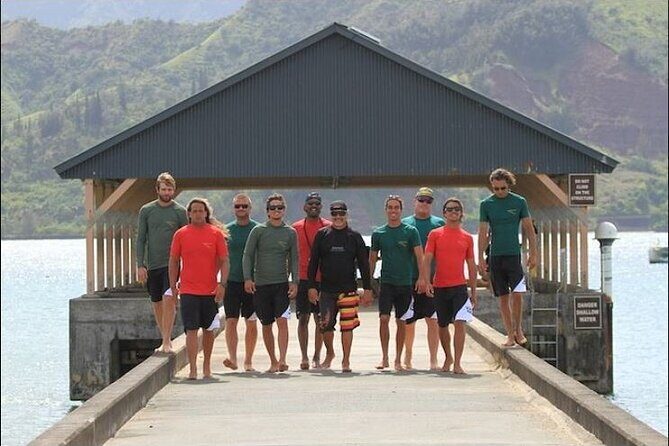
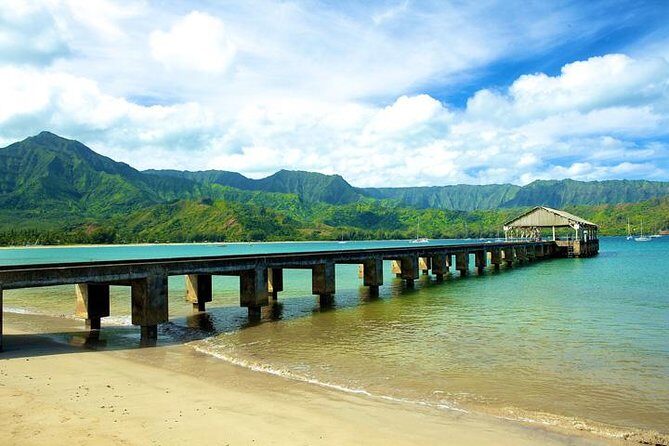
Hanalei Bay on Kauai’s North Shore is one of those places where learning surfing doesn’t feel like a stunt. The goal on your first lesson is simple: get comfortable on the board, understand how waves behave there, and practice popping up without fear. That’s exactly the vibe here.
You’ll be in an area known for gentle, beginner-friendly surf. People learn faster when the conditions help them. One key detail you’ll likely notice right away is the sandy bottom feel—when you’re still finding your balance, landing in sand is way less intimidating than rocky ground.
Also, the scenery matters more than you’d think. Hanalei is all about open water, big sky, and that North Shore mood. When you’re trying something new, the setting helps keep nerves under control.
Other private guided tours we've reviewed in Kauai


The Private Lesson Setup: What Makes It Worth Paying for
This isn’t a “shuffle the group, good luck” kind of class. It’s a private surf lesson, meaning only your group is on the beach with the instructors. That matters, especially if you have kids, teens, or adults at different comfort levels.
In practice, private coaching tends to do two things fast:
- It gives you more direct feedback in the moment, not after the wave has passed.
- It lets the instructor adjust your board choice and your practice plan as your confidence grows.
You also get the kind of gear that actually helps. You’re not trying to learn on an ancient board or the wrong size. The lesson includes top-of-the-line surf boards, plus leashes and rash vests. That’s a real value add, because the equipment is part of the physics of learning—board shape, stability, and leash fit all affect how quickly you stand up safely.
At $118.85 per person for about 90 minutes, the pricing makes sense when you compare it to the cost of renting a board with no coaching. For many first-timers, the lesson is the difference between a fun day and a frustrating one.
What Happens During Your 90 Minutes at Hanalei Bay
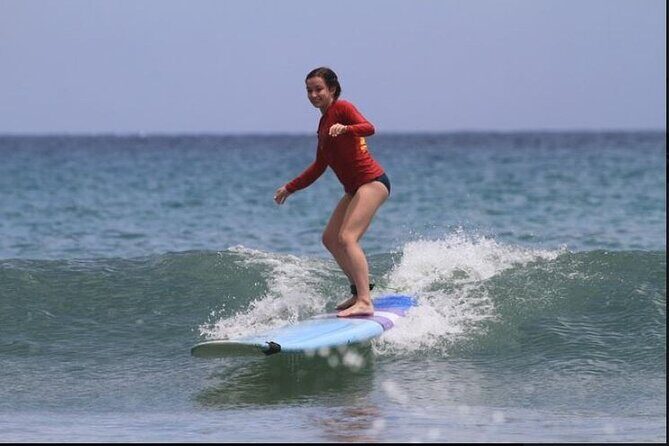
You’ll spend your time along Hanalei Bay with instruction focused on fundamentals. Expect a mix of shore practice and water time, guided around what you can handle that day.
A typical session flows like this:
1) Ocean orientation and safety briefing
Before you paddle out, you get a safety briefing and ocean orientation. This is where the instructor’s water-safety training shows up. You’ll learn how to position yourself, how to watch the water, and what to do so you’re not just reacting when something changes.
This part matters even for experienced surfers, because safety basics and local ocean habits are still habits you want down before you commit to waves.
2) Board positioning and the stand-up setup
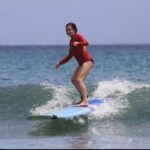
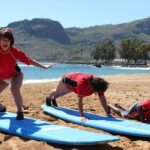
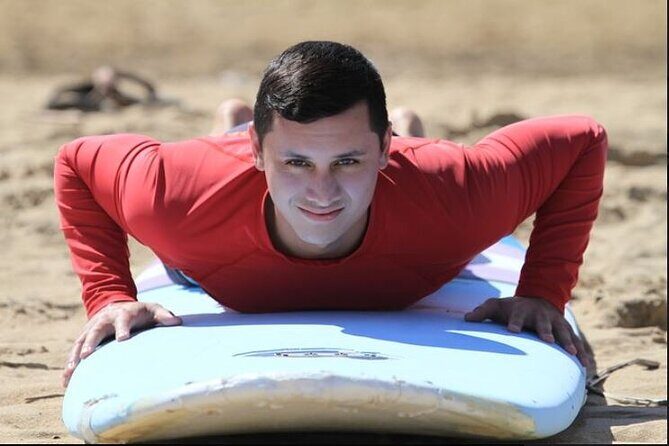
Early lessons are all about body mechanics. You’ll learn how to position yourself on the board and what to do when a wave comes through. Most first-timers don’t need more motivation—they need the exact sequence: where your hands go, how your feet land, and how to time the pop-up.
Other surf lessons we've reviewed in Kauai

3) Reading waves and where to place yourself
You’ll also learn to watch the waves. That means spotting the pattern, understanding the “tell” of what’s arriving, and learning how to plan your next move.
A good sign is when you stop treating each wave like a random event and start treating it like something you can predict. That shift is what builds confidence.
4) Stand up, catch small waves, and repeat
Then you get practice catching small waves. The goal isn’t huge thrills on day one. It’s getting you up and moving.
Many people end the session surprised at how many attempts they get. In recent sessions, beginners have consistently been standing by the end, including kids and adults who never surfed before.
5) Adjustments if you’re ready for more
If you’re not just learning from zero—say you’ve surfed a couple times—your instructor can adjust your plan. One surfer described the instructor switching them to a smaller board mid-lesson once they recognized they needed more challenge, then focusing on turns. That’s how a good private lesson stays “right sized” for your ability.
Stop 1: Hanalei Bay, the Learning Zone

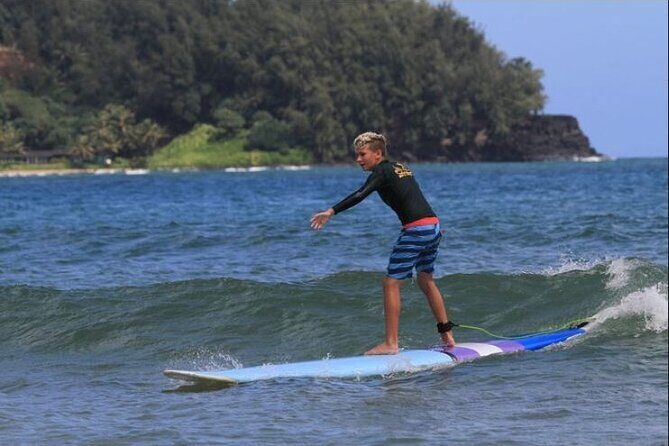
Hanalei Bay is the whole reason this works. The surf is typically gentle enough for beginners, which means you’re more likely to get repeated chances instead of getting worn out before you even find a rhythm.
You’ll likely spend most of your energy on two skills:
- Getting comfortable with the board and your balance
- Reading what the waves are doing so you can time your pop-up
A huge practical bonus of the setting is that it’s a place where you’re not fighting the ocean from minute one. That’s why it’s such a strong match for families and mixed-age groups. If your group includes a parent and kids, or a teen and a grandparent, you’re all learning in the same area with the same coaching framework.
Stop 2: Hawaiian Surfing Adventures and Getting Set Up
Your other named stop is Hawaiian Surfing Adventures, which is where you’ll connect with the local team and get ready. This is where the session becomes real: gear fitting, safety guidance, and making sure you’re set up with the right equipment before you get in the water.
Even if your main learning is in Hanalei Bay, the surf shop and its staff are part of the experience. People talk about the front office being helpful and even like the curated shop vibe—rash guards, surf gear, and little reminders of Hawaii that are easy to grab after the lesson.
There’s also mention of professional photo options in some sessions. That isn’t listed as included in your lesson package here, but if you want action shots, you’ll want to ask on-site.
Instructors You Might Meet: Names That Show Up a Lot
One of the best parts of this lesson is that the instructors aren’t just showing you what to do—they’re adjusting to real people with different bodies, fears, and learning speeds.
You might meet instructors such as:
- Mitchell, known for teaching beginners of mixed ages
- Jack, who can dial in your challenge level and work on turns
- Patrick, described as friendly and confidence-building
- Nick, praised for helping older beginners feel like kids again
- Luca / Luka, giving clear instructions and lots of patience
- Sean, described as making first waves feel possible fast
- Evan, patient with constructive criticism
- Tapu, excellent with full beginner groups and first-time stand-ups
- Nate and Kawaihoa, who come up in multiple first-timer stories too
The consistent theme: instruction that stays calm, positive, and practical. That’s not just feel-good talk. When you’re learning a new physical skill in moving water, calm instruction helps your brain process faster.
Safety, Equipment, and Why Those Details Matter
A surf lesson isn’t only technique. It’s also how you avoid turning a fun day into a scary one.
Here’s what’s built in:
- Safety briefing and ocean orientation before you paddle out
- Certified water-safety trained instructors
- Included leashes and rash vests
- A plan that can shift if conditions aren’t suitable
That last point is important. Surfing depends on the day. The lesson is designed so that if conditions at Hanalei Bay aren’t right, your guide will take you to another nearby spot on the island. That reduces the chance of wasting your session time.
Also, your gear matters. A proper board makes standing up more achievable. A leash helps you recover quickly and safely. A rash vest reduces chafing and makes the experience more comfortable in the water.
Weather and Ocean Conditions: Rain, Crowds, and the Real World
Kauai weather can change fast. One couple described getting rained on during the lesson, and they still had a great time in the water. That tells you something: the team likely expects typical North Shore swings and knows how to keep the session moving.
Two practical things to keep in mind:
- If you go during busy season, the water can be more crowded. That’s when instructor spacing and group management becomes extra important.
- Even with private instruction, your learning still depends on wave timing and water setup. The best mindset is to expect some waiting between waves. That’s normal in surfing lessons.
What to Bring (Because Not Everything Is Included)
The lesson includes the surf gear, but you need to handle a few basics yourself.
Bring:
- Your swimwear
- Towels
- Sunscreen
- Any personal items you need to feel comfortable
You’ll also be asked to enter your weight (pounds) and height (feet and inches). This helps the team match equipment and adjust the lesson appropriately.
One more thing: you should plan to check in 30 minutes before your lesson start time. If your lesson is at 8:30am, check in at 8:00am. That time buffer helps prevent delays and gives you a smooth start.
Who This Lesson Is Best For on Kauai
This is one of the rare activities that works for a wide range of people because it’s private and tuned to your group.
You’ll likely love it if:
- You’re a true beginner who wants structure and safe coaching
- You’ve surfed a couple times and want better technique, not just more paddling
- Your group spans ages (kids, teens, and adults). People have done first surf lessons together, including mixed-age families
- You want a fun activity that also teaches respect for the ocean
It’s also a strong pick for visitors who want an authentic Kauai experience without needing a full day of logistics.
Practical Tips to Get the Most Out of Your Lesson
A few simple habits will make this lesson feel easier:
- Go in with a learning mindset. Your first goal is standing and staying balanced, not landing perfect turns.
- Listen for cues twice. Once on land, once in the water. The instructor’s wording often matters when the wave timing changes.
- Ask for feedback during the lesson. If you want more specific coaching, it’s okay to request it. Some people love being coached step-by-step right after each attempt.
- Keep expectations realistic. By the end, many beginners are catching small waves on their own, but the ocean runs the schedule. You’ll progress faster if you stay patient.
And if you end up falling? That happens. It’s part of the deal. The goal is to improve your odds each wave, not to avoid wipes forever.
Should You Book This Private Hanalei Surf Lesson?
I think this is a strong booking for most people doing Kauai, especially if it’s your first time surfing.
Book it if you want:
- Private coaching that adapts to beginners and mixed skill levels
- A beginner-friendly place like Hanalei Bay
- Included gear so you’re not spending extra money or second-guessing equipment
- A water-safety trained instructor and a realistic plan for changing conditions
Skip it only if you already feel fully confident paddling, reading waves, and standing without help—and you mainly want a long board rental. Otherwise, this lesson gives you something better than “a day at the beach”: it gives you a teachable path from first attempt to real wave time.
If you’re willing to show up, listen, and practice during that 90-minute window, you’ll likely leave with the kind of confidence that makes you want to surf again.
FAQ
How long is the private surf lesson?
It runs about 1 hour 30 minutes (approximately).
Is this lesson private or shared with other groups?
It’s private. Only your group participates.
Where does the lesson start and end?
The meeting point is 5-5134 Kuhio Hwy, Hanalei, HI 96714, USA, and the activity ends back at the meeting point.
What’s included in the price?
Included are the private surf lesson, use of top-of-the-line surf boards, leashes and rash vests, professional local instructors, plus a safety briefing and ocean orientation.
What should I bring since it’s not included?
You’ll want to bring towels, swimwear, and sunscreen.
Do I need to have surf experience?
No. Most travelers can participate, and the class is designed for beginners while still working for people with more experience.
What if the surf conditions aren’t suitable that day?
Your guide will take you to another nearby spot on the island if conditions are not suitable.
How early should I check in before my lesson?
You check in 30 minutes before your lesson time.
What information do I need to provide during booking?
You need to enter your weight in pounds and your height in feet and inches.
Is there free cancellation?
Yes. You can cancel up to 24 hours in advance for a full refund. Changes within 24 hours of the start time aren’t accepted, and late cancellations aren’t refunded.