REVIEW · KAUAI
Kauai: Shore Diving at Koloa Landing, Poipu
Book on GetYourGuide →Operated by Seasport Divers · Bookable on GetYourGuide
This trip starts with one of Kauai’s best shore spots. Koloa Landing in Poipu is an easy, guided scuba outing where you can go see real reef life fast, even if you’re new to it. I love the fact that the water access is set up for both first-timers and certified folks, and I love that you’re guided through the best parts so you’re not just swimming around hoping for wildlife. One thing to consider: the ocean can be choppy, and you still need to feel comfortable in the water to enjoy the experience.
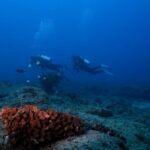
What makes this one especially worth your time is the mix of depth and marine sightings: you’ll work in the 30 to 40 foot range and your guide steers you toward Hawaiian Green Sea Turtles and other reef characters. Small group size (up to 7) also means you get more hands-on attention when you need it. If you’re planning to do it, double-check the medical questionnaire for non-certified participants and the altitude limit after the trip.
In This Review
- Key Things That Make Koloa Landing Worth It
- Koloa Landing (Whalers Cove) in Poipu: A Shore Site Built for Real Reef Time
- Your 3–4 Hour Plan: Gear Up, Shore Access, 1 or 2 Tanks
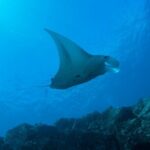
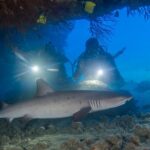
- What You’ll Actually See: Turtles, Moray Eels, Octopus, and More
- The Human Side: Seasport Divers, Cody’s Calm in Choppy Water, and Taylor’s Setup
- Depth, Conditions, and Comfort: What 30–40 Feet Means for First-Timers
- Equipment and Training Levels: Rental Gear for Non-Certified, Add-Ons for Certified
- Price and Value: Is $153 a Fair Deal for Poipu Reef Time?
- Practical Rules That Actually Affect Your Day
- Before You Book: Medical Form and the Altitude Limit
- Who Should Choose Seasport Divers at Koloa Landing
- Should You Book This Koloa Landing Shore Scuba Session?
- FAQ
- How long is the Seasport Divers Koloa Landing experience?
- Where does the activity take place?
- What depth will we be in?
- Do non-certified participants need to meet any requirements?
- Is rental equipment included?
- What marine life might we see?
- Is there transportation to the site?
- Who is this experience not suitable for?
Key Things That Make Koloa Landing Worth It
- Guided reef route so you’re shown the spots with the most marine life, not just random scenery
- Turtles and moray eels are realistic targets at this site, with other animals along the way
- 30 to 40 feet keeps it accessible while still giving you real reef viewing time
- Small group size (7 max) helps with setup, coaching, and smoother transitions
- High-quality rentals available for non-certified divers
- Cody and Taylor’s help shows up in the experience: calm coaching in rougher water and smooth gear prep
Koloa Landing (Whalers Cove) in Poipu: A Shore Site Built for Real Reef Time
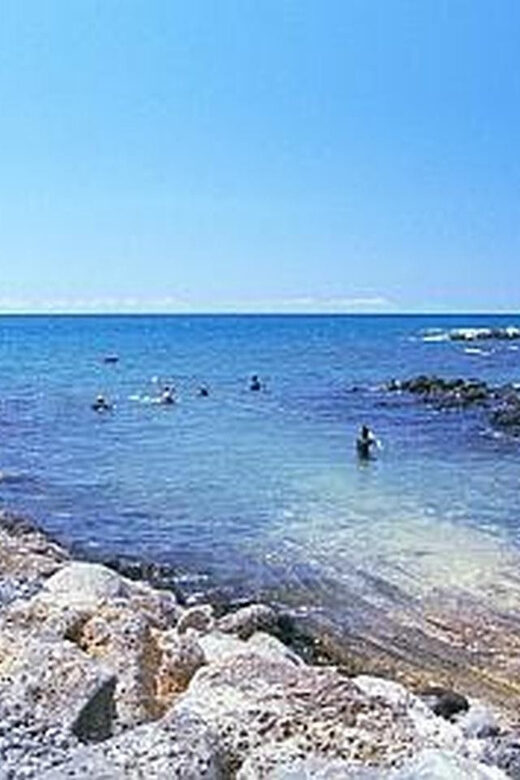
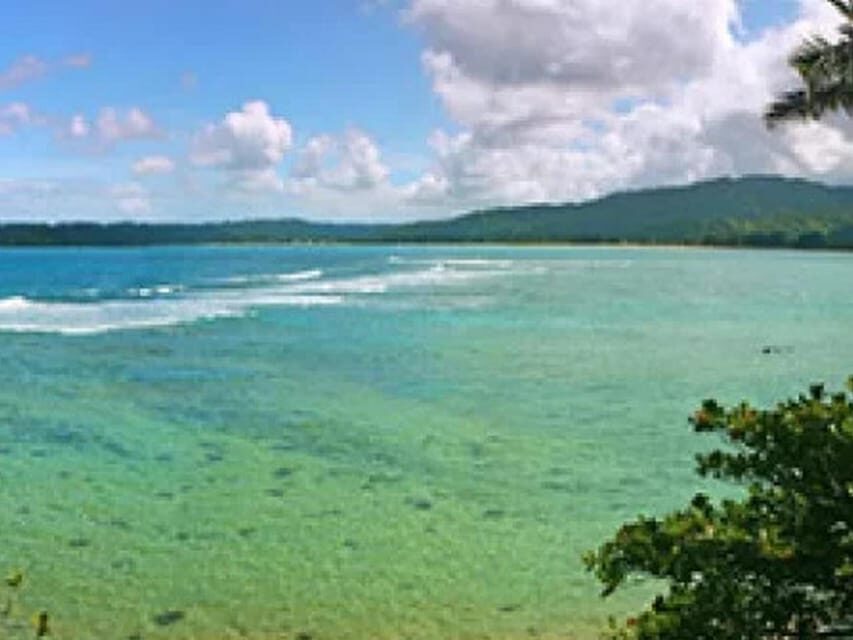
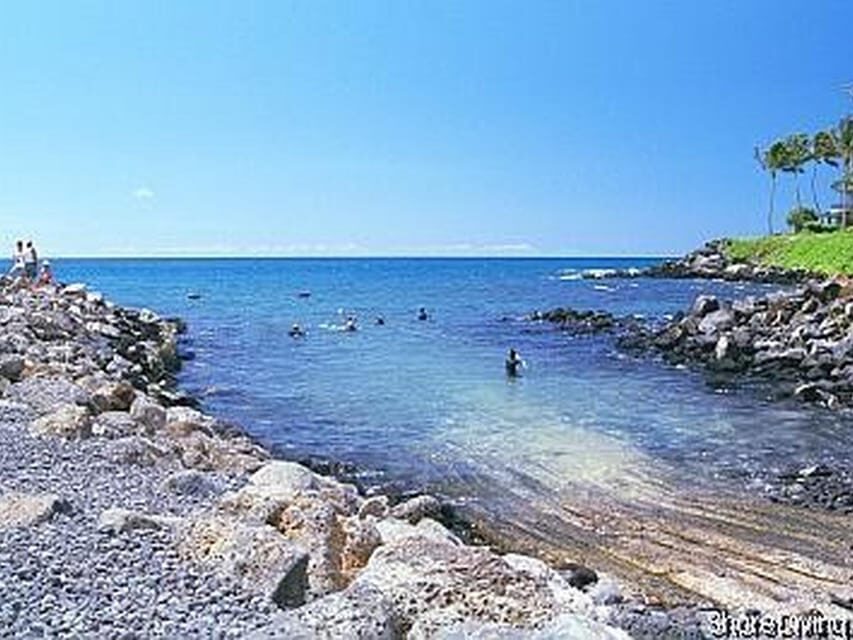
Koloa Landing, also called Whalers Cove, is one of the top shore locations on Kauai for getting underwater. It’s in the Poipu area, which is great because it’s not a “drive hours and disappear” kind of outing. You’re set up for a straightforward day: start at the site, do your guided underwater time, then end back at Koloa Landing so you can keep moving with your Kauai plan.
The big reason this place works so well is the combination of depth and ease. You’re in the 30 to 40 foot range, which is deep enough to see interesting reef life but not so deep that everything becomes more complicated. That sweet spot matters if you’re new to scuba. It also helps certified divers who just want good sightlines and a solid guided route without a huge production.
You can also think of this as a “wildlife-first” scuba outing. The site is known for the kinds of animals that make people plan their whole trip around Kauai reef time: Hawaiian Green Sea Turtles, moray eels, and more.
Other Poipu and Koloa tours we've reviewed in Kauai
Your 3–4 Hour Plan: Gear Up, Shore Access, 1 or 2 Tanks
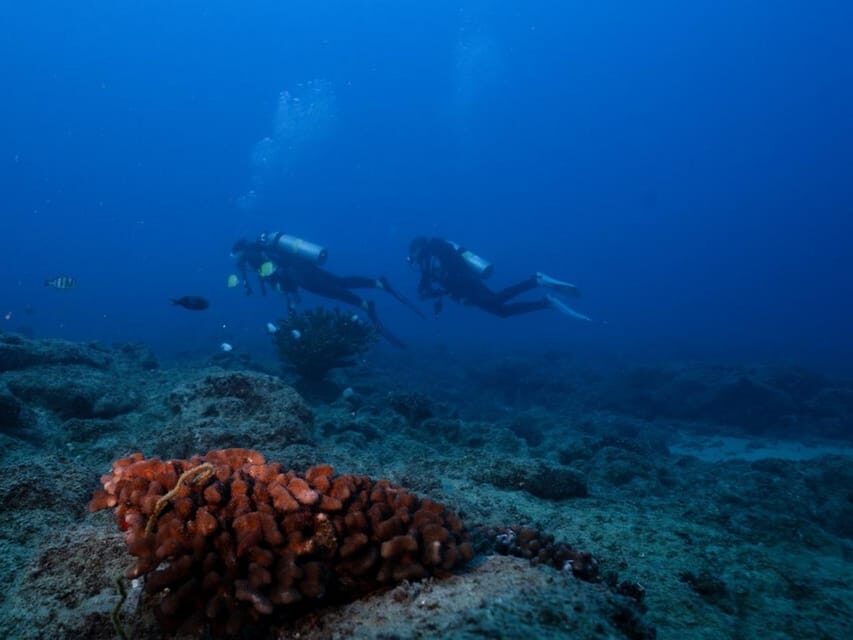
The whole experience runs about 3 to 4 hours. The duration depends on whether you do one tank or two tanks, which is a simple but important choice. If you want more underwater time for the same overall day, go with two tanks. If you’re trying scuba for the first time and you’d rather keep it easy, one tank is often the comfort pick.
You’ll get transportation from the scuba shop to the dive area. From there, the flow is predictable and beginner-friendly: get equipped, get a safety briefing from the guide, and then head out from shore. Because it’s shore-based, you’re not dealing with a long boat ride, which cuts down on stress and motion sickness for a lot of people.
At the end, the tour concludes back at Koloa Landing, not at some distant backcountry pick-up point. That means you can head straight to nearby beaches or wrap your day without extra driving.
One more practical note: this is a live, English-language guided tour with a small group of up to 7 participants. Small group size matters more than most people think. It reduces waiting, speeds up gear checks, and lets the guide notice if someone needs extra help right when they step into the water.
What You’ll Actually See: Turtles, Moray Eels, Octopus, and More
This is the part that gets people excited, and for good reason. Your guided underwater route is designed to put you where the marine life is, within the 30 to 40 foot range. That’s not just a marketing line. It’s how you get more reliable animal sightings than doing your own “wander and hope” swim.
Here’s what you can expect to encounter:
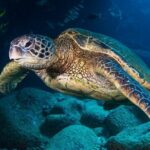
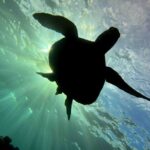
- Hawaiian Green Sea Turtles (Honu)
This is the headline animal. The guide leads you through the best viewing spots so you’re not scrambling to find them.
- Moray eels
These can be subtle and easy to miss if you don’t know where to look.
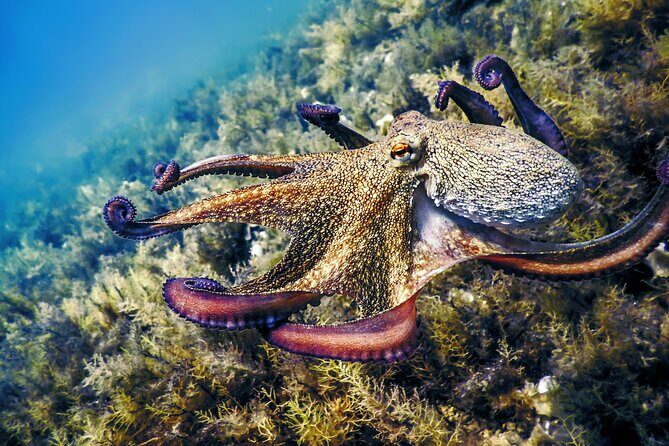
- Octopus
Expect them to show up where you’re looking at reef structure and cover.
- Scorpionfish
Another animal that often depends on careful guidance and slow, attentive looking.
- Tropical reef fish
Even if you never see every single animal, the fish activity is typically part of the payoff.
The underwater experience is guided, which is key if you’re non-certified. You’re not trying to manage everything on your own. The guide handles the best spots, and your job is to follow along, keep your breathing steady, and enjoy the fact that Kauai reef life is close and real.
Also, remember the rule: touching marine life isn’t allowed. That’s a good thing. It keeps the animals safe and keeps you from accidentally harming coral or getting too close to something you shouldn’t.
The Human Side: Seasport Divers, Cody’s Calm in Choppy Water, and Taylor’s Setup
The difference between a stressful scuba day and a confident one is usually the people running it. In the most positive feedback, the coaching stood out quickly. Cody, one of the guides, was praised for getting everyone in and out safely when the water was choppy. That’s the kind of detail that matters. Choppy water changes how your entry and exit feel, and it’s where a steady guide makes a real difference.
On the shop side, Taylor was mentioned for being great with gear setup and getting everyone ready. That’s another underappreciated piece of the experience. If you struggle with sizing, straps, or basics like where your gauges are, the whole outing feels harder than it needs to be. Strong shop support helps you start the water time focused on enjoying it.
You can also feel the benefit of the small group size. Up to 7 participants means the guide can work more directly with you, especially if you’re non-certified and still figuring out your buoyancy and comfort.
If you take one lesson from this: show up ready to listen, and you’ll probably feel the difference within minutes.
Depth, Conditions, and Comfort: What 30–40 Feet Means for First-Timers
When people hear “scuba,” they worry about two things: depth and control. This outing sits in a moderate zone. Working around 30 to 40 feet gives you real reef views, but it’s not an extreme depth profile based on the info provided.
That said, conditions can still make or break your comfort. One review specifically flagged that the water was choppy, and Cody’s coaching helped keep everyone safe. So if you get nervous in uneven water, it’s smart to mentally prepare for some wave movement even at a shore site.
Comfort also ties to the participant requirements. This isn’t for everyone. The experience is not suitable for:
- children under 10
- pregnant women
- non-swimmers
If you meet the comfort level to be in the water and you can handle a guided pace, you’re already setting yourself up for a good day.
And if you’re non-certified, you’ll still follow the rules that protect you during the session, including successful completion of the PADI Diver Medical Questionnaire that confirms you’re fit to scuba dive. That part isn’t paperwork trivia. It’s there because your body has to handle the demands of scuba.
Other scuba diving tours we've reviewed in Kauai
Equipment and Training Levels: Rental Gear for Non-Certified, Add-Ons for Certified
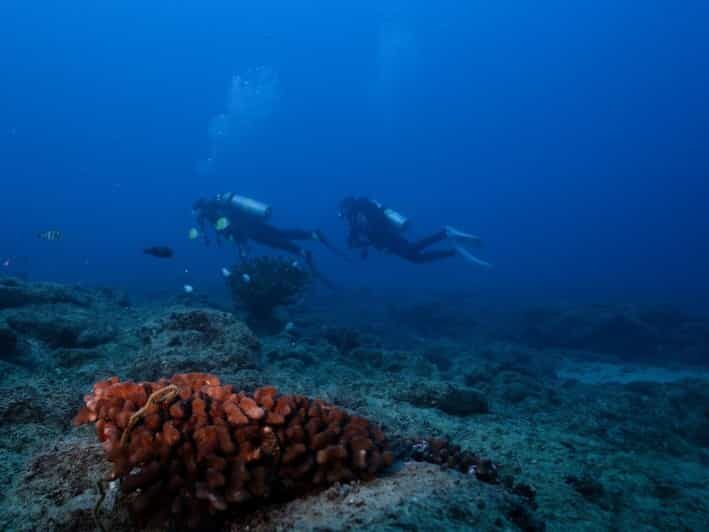
You can do this with either experience level. That’s one of the biggest value points. Non-certified participants get rental equipment as part of the experience, so you’re not forced into buying gear just to try a Kauai reef session.
Certified divers have an option too. Rental equipment for certified divers is available for $35 payable at the shop if needed. If you already own your gear, you might choose not to rent. If your gear situation is messy, renting keeps the day simple.
This matters for value. The $153 price is not just “access.” It includes a guide, transportation from the shop to the site, and (for non-certified folks) rental equipment plus 1 or 2 tanks worth of underwater time. That’s a lot bundled into one price compared to piecing together multiple rentals and arranging logistics yourself.
If you’re non-certified, do the medical questionnaire step early. It’s required for you to participate successfully, and you don’t want a last-minute surprise.
Price and Value: Is $153 a Fair Deal for Poipu Reef Time?
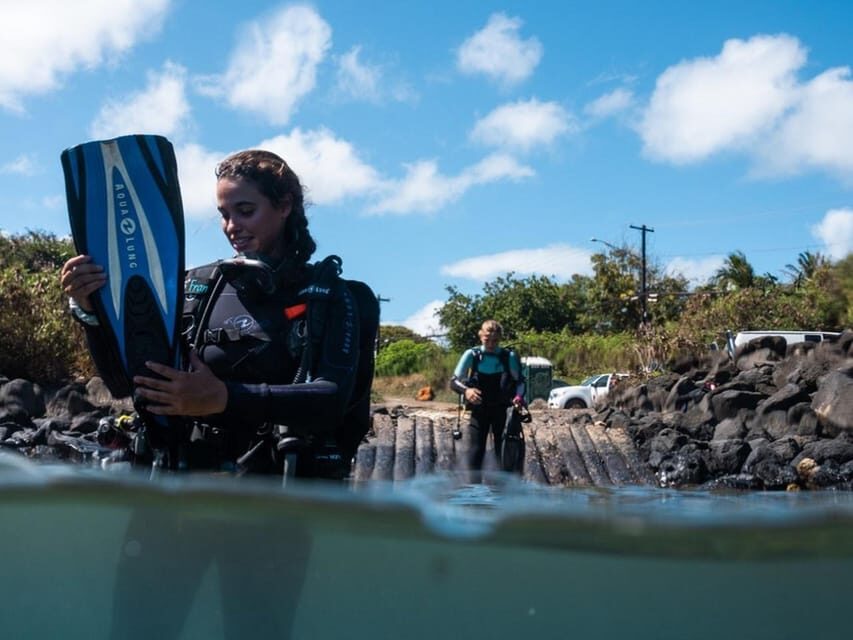
Let’s talk value. At $153 per person for 3 to 4 hours, you’re paying for the guide, the gear (for non-certified), and the practical logistics like transportation from the shop to Koloa Landing. That’s the core of what makes the day easy.
You’re also paying for a high-satisfaction experience tied to two big things:
1) guided animal viewing (turtles, moray eels, and reef fish in a structured route)
2) a small group format (up to 7) that tends to improve how smooth the day feels
If you’ve ever tried to DIY reef viewing, you know it can be frustrating. Shore snorkeling without a guide can feel hit-or-miss. Here, the guiding is the difference. You’re not guessing where to look, and you’re not trying to manage the full scuba process without support.
The only real “cost pressure” comes from what you choose: one tank vs two tanks. If you can handle two, that’s the best way to squeeze more underwater time from your day. If you’re testing your comfort level, one tank keeps it manageable.
Practical Rules That Actually Affect Your Day
A scuba outing is safe when everyone follows a few key rules, and this one is clear about them. Here are the ones you’ll care about on the day:
- no touching marine life
- no intoxication, alcohol, or drugs
- no smoking in the vehicle
- follow the guide’s instructions on where you go and how you behave underwater
Rules like this aren’t there to ruin your fun. They protect animals, keep water conditions stable, and reduce risk for the group.
You should also pack the basics listed for the outing:
- swimwear
- a towel
- biodegradable sunscreen
That last one matters more than you might think on a reef-focused day. If you forget it, you can end up feeling stressed trying to replace it while everyone else is already ready to go.
Before You Book: Medical Form and the Altitude Limit
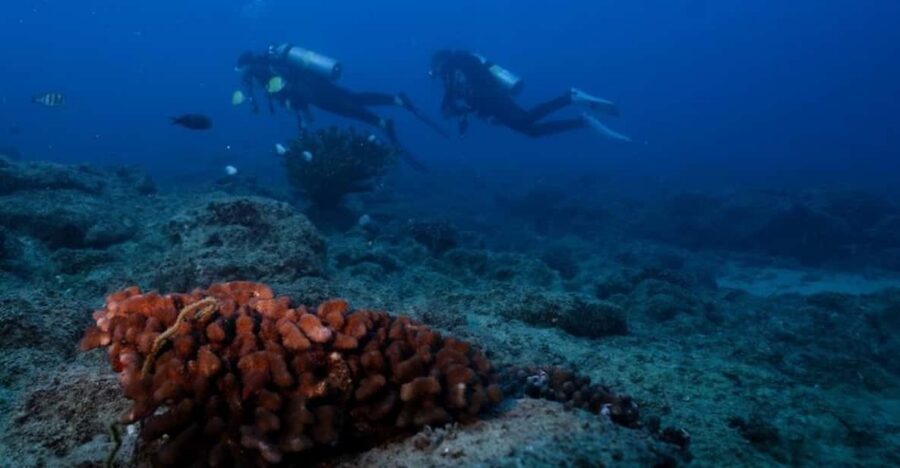
Two details can stop you from participating if you ignore them.
First, non-certified participants must complete the PADI Diver Medical Questionnaire showing they are fit to scuba dive. You’ll want to confirm this before booking so you don’t waste time.
Second, there’s an altitude restriction: you must not travel to over 1,000 feet of elevation within 18 hours after completing the activity. That includes plane or helicopter flights and mountain hikes. If your Kauai itinerary includes a mountain detour or flying on short timing, plan the schedule around this scuba session.
These rules are not flexible by guesswork. If you want peace of mind, map your day and keep that 18-hour window in mind.
Who Should Choose Seasport Divers at Koloa Landing
This experience fits best if you want guided Kauai reef time without making a whole project out of it.
It’s a great match for:
- non-certified adults who are willing to complete the required medical questionnaire
- certified divers who want a guided shore outing with 1 or 2 tank options
- anyone who likes the idea of seeing Hawaiian Green Sea Turtles and other reef animals in the 30 to 40 foot range
- people who appreciate small group attention and clear coaching
It’s less ideal if:
- you’re not comfortable being in the water
- you’re traveling with someone who doesn’t meet the age or health suitability requirements
- you know you’ll be doing high-elevation plans right after, since that 18-hour altitude rule can be a problem
Should You Book This Koloa Landing Shore Scuba Session?
If your goal is Kauai reef viewing with real odds of seeing turtles and moray eels, I’d say yes, with a couple smart caveats. The guided format, the moderate 30–40 foot depth, and the small group setup are a solid recipe for a confident first scuba experience. And the feedback about Cody handling choppy water well is exactly what you want to hear before spending your time underwater.
Book it if you can handle a guided schedule, meet the participant requirements, and you’re clear on the medical questionnaire plus the altitude restriction after the session. Skip it if you’re planning an immediate mountain hike or flight and you’d be cutting that 18-hour window too close.
Bottom line: for Poipu, this is a practical, well-run way to see Kauai reef life up close, without the stress of complicated logistics.
FAQ
How long is the Seasport Divers Koloa Landing experience?
It lasts about 3 to 4 hours, depending on whether you do 1 tank or 2 tanks.
Where does the activity take place?
It happens at Koloa Landing in Poipu, also known as Whalers Cove.
What depth will we be in?
You’ll be exploring reef areas around 30 to 40 feet.
Do non-certified participants need to meet any requirements?
Yes. Non-certified participants must complete the PADI Diver Medical Questionnaire confirming they are fit to scuba dive.
Is rental equipment included?
For non-certified participants, rental equipment is included. Certified divers can add rentals at the shop for $35 if they need them.
What marine life might we see?
You can expect to encounter Hawaiian Green Sea Turtles (Honu) and moray eels, and you may also see octopus, scorpionfish, and tropical reef fish.
Is there transportation to the site?
Yes. Transportation from the scuba shop to the dive site is included, and the tour ends back at Koloa Landing.
Who is this experience not suitable for?
It’s not suitable for children under 10, pregnant women, and non-swimmers.