REVIEW · KAUAI
Kauai’s Ultimate South Shore 2 Tank Dive (Certified Divers Only)
Book on Viator →Operated by Dive Kauai · Bookable on Viator
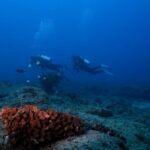
Kauai’s south coast turns into an easy underwater outing. This two-tank shore scuba plan uses the sheltered Hanaka’ape Bay for calmer entry, quick setup, and a lot of sea life on a short schedule.
I especially like the easy entry/exit setup and how the water starts just steps off the ramp, so you spend less time in the shallows and more time looking around.
The other win is the small group size (max 12), which means your guide can actually spot what you miss and help you move with confidence. Plus, you get a marine ecology briefing before you go in, and that makes the animals feel less random and more like a real neighborhood.
One thing to consider: this is for certified scuba participants only, and you should expect conditions to change day to day. Visibility can be less than ideal on some days, and you’ll feel it more here than on bigger-boat trips that can move to multiple locations.
In This Review
- Key things to know before you go
- Why This Shore Plan Works on Kauai’s South Coast
- The Koloa Landing Start: Check-In, Wetsuits, and Getting Ready
- Tank One Under a Protected Waterline in Hanaka’ape Bay
- Surface Interval Snacks, Briefing Notes, and Shore-Watching
- Tank Two in the Bay’s Other Area (Where Animals Repeat and Surprise)
- What You’re Really Paying For: Small Group Attention + Included Comfort
- Guide Styles and Pace: How to Get the Most From Two Tanks
- Marine Life Hot List: What’s Common Here
- Is This the Right Choice for You?
- Should You Book This Two-Tank Shore Scuba Tour?
- FAQ
- What’s the duration of this experience?
- How many tanks are included?
- Is this for certified scuba participants only?
- Where do I meet for the tour?
- How big is the group?
- What’s the typical depth and bottom time?
- What marine life can I expect?
- What’s included in the price?
- Is trip protection included?
- What’s the cancellation policy?
Key things to know before you go
- Hanaka’ape Bay shelter: protected from surf, wind, and chop, which makes the whole experience steadier.
- Two different water areas in one horseshoe bay: built for a true two-tank visit without long transfers.
- Quick schedule on the water: max depth around 50 feet and about 45 minutes bottom time per tank (air-dependent).
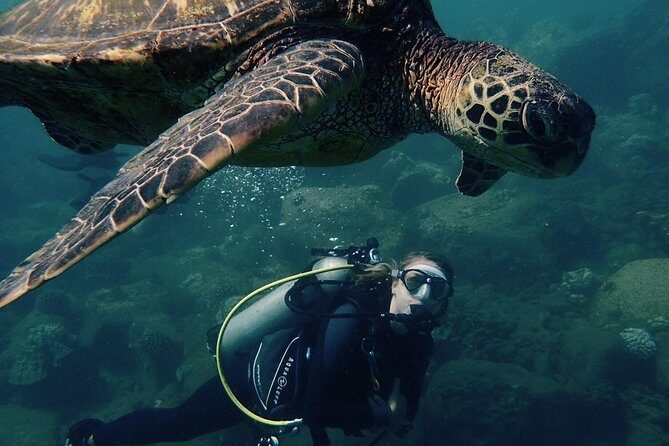
- Marine spotting is the main event: turtles, eels, octopus, and tons of tropical fish are consistently part of the story.
- Gear, snacks, and bottled water are included: less hassle, more time focused on buoyancy and animals.
- Guides keep it personal: with small groups, you get hands-on help with fit and in-water navigation.
Why This Shore Plan Works on Kauai’s South Coast
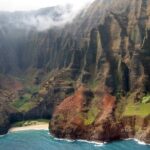
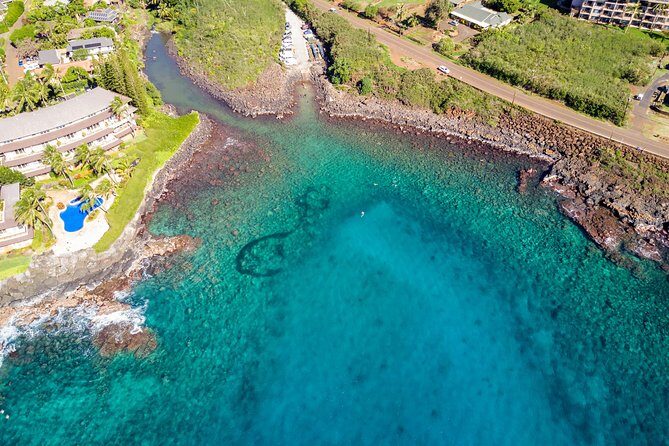
If you want Kauai sea life without a full-day boat program, this kind of shore-based two-tank scuba outing is a smart match. The biggest reason is the setting: you’re working out of Hanaka’ape Bay, which is naturally protected. That matters because the south shore can be dramatic from land. In the bay, it’s more controlled—less wind slapping you, less chop punching at your entry.
The route also avoids the usual “shore plan” downside—long, tiring paddles or extended swimming before you reach anything worth seeing. Here, setup happens close to the water, and the actual water entry is very close to where you gear up. So you start doing the fun part fast: looking for turtles, watching fish behavior, and scanning holes and ledges for eels and octopus.
Other scuba diving tours we've reviewed in Kauai
The Koloa Landing Start: Check-In, Wetsuits, and Getting Ready
Your tour begins back at Koloa Landing in Poipu. Plan to arrive with enough time to breathe, sign in, and get geared up without feeling rushed. The experience is designed around shore logistics, so the pacing is practical, not complicated.
Gear is included, and that’s a big value point for the price. You’re also likely to get the right extras to stay comfortable. In a recent family group experience, the staff brought wetsuits for everyone even though some people didn’t end up needing them. That tells you the team plans for changing comfort levels (water temps, breeze, and how long you’ll be waiting outside the gear bag).
One heads-up from real-world shore setups: getting in can feel a little tricky at first. You’ll do best if you take your time and watch your step right near the ramp and entry point. I’d treat that like part of the experience—good technique beats speed.
Tank One Under a Protected Waterline in Hanaka’ape Bay
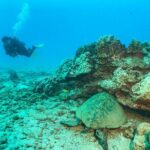
You’ll go in for Tank One from the shore with an easy entry and exit. The bay’s horseshoe shape is the reason this plan can feel efficient. Instead of one long swim to a distant spot, you have access to two distinct underwater areas within the same protected bowl.
Depth is not intimidating by default. The maximum depth is about 50 feet, and average bottom time is around 45 minutes, depending on your air consumption. That time range tends to work well when you’re focused on spotting—slow scanning, checking ledges, and watching turtles cruise rather than rushing to “hit depth.”
What you’re likely to see during Tank One:
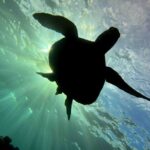
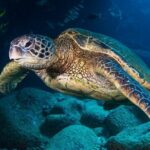
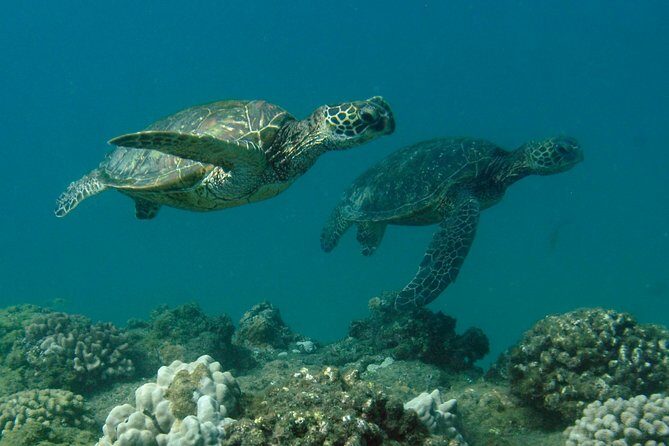
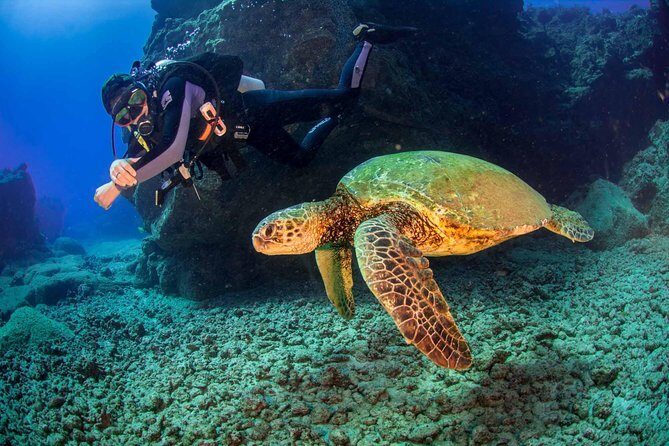
- Hawaiian green sea turtles (often a highlight, not a rare trophy sighting)
- Multiple moray eel species (reports include up to seven types, including a rare dragon eel)
- Octopus if conditions and timing line up
- Scorpionfish types like leaf scorpionfish and devil scorpionfish
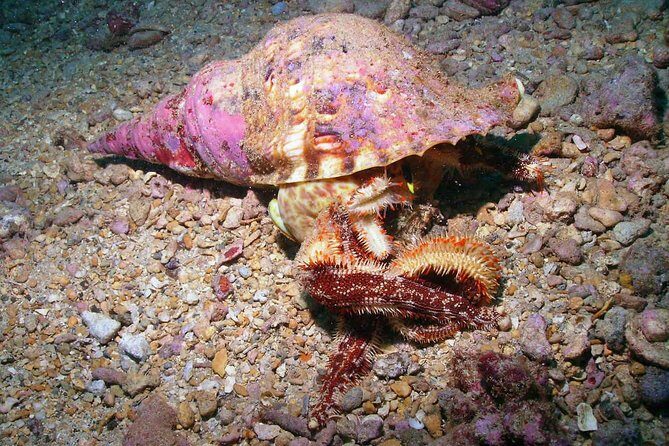
- Hermit crabs and a bunch of invertebrates, including snails (cone, auger, helmet), plus sea stars and urchins
Visibility can vary. On a day with lower clarity, I’d focus on the “close to the action” stuff: turtles near the reef edge, eels in and around cracks, and fish darting around structure. That’s exactly what most guides are trained to point out.
Surface Interval Snacks, Briefing Notes, and Shore-Watching
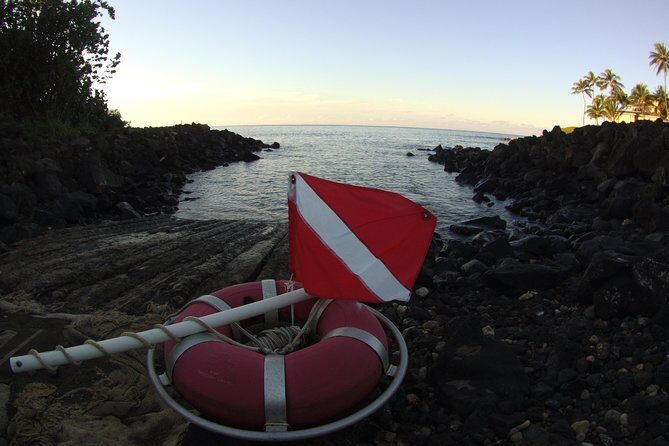
Between tanks, you’re back on shore and able to reset. Snacks and bottled water are included, which is a simple but important detail. When you’re switching tanks, you don’t want to spend your energy hunting for food or rationing water.
You also get continuing attention from the guide during the break. Some groups have even had a bonus nature moment right from the shore—watching whales breaching in the distance while they’re waiting for the second tank. It’s not guaranteed from the tour data alone, but it’s a strong sign you should bring your eyes out of the water for a moment.
This is also the moment where the earlier marine ecology briefing pays off. When you hear what to look for—turtle habits, eel hiding behaviors, or how invertebrates hang around reef structure—you tend to notice more in the second tank because you’re already “reading” the reef like a map.
Tank Two in the Bay’s Other Area (Where Animals Repeat and Surprise)
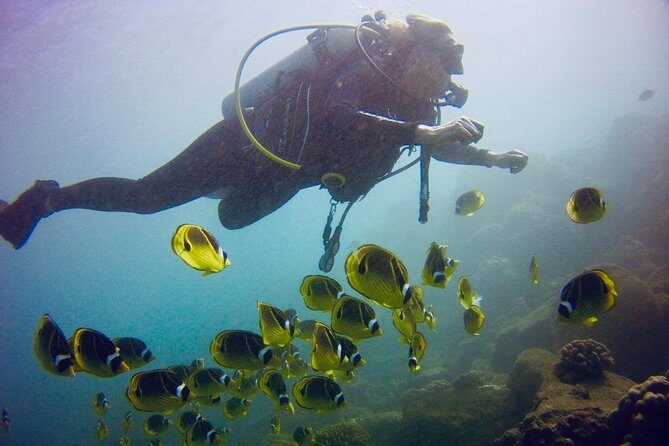
Tank Two is another chance to enjoy the same general ecosystem but with the bay’s other underwater area. That’s the whole magic of the horseshoe bay design: it lets the outing stay short and practical while still feeling like two different experiences.
Many people expect a “Tank Two = repeat Tank One” situation. It rarely feels that way here because the guide is actively pointing out different micro-habitats: edges, ledges, and crevices where eels and octopus tend to show up. The tour depth profile stays similar in range, with bottom time still guided by air consumption.
Marine life often mentioned during both tanks includes:
- Turtles (some groups report seeing a lot of them)
- Eels in several species, sometimes multiple types in one session
- Octopus (glimpses happen more than you’d think, especially when the guide knows where to look)
- A strong mix of tropical fish plus invertebrates like snails and sea stars
There’s one real-world consideration: one review described the reef as more limited in some spots. That doesn’t mean you’ll see nothing. It means your guide’s role becomes even more important—where you can’t count on dense “wow-factor” coral, good scanning and animal awareness do the work.

What You’re Really Paying For: Small Group Attention + Included Comfort
At $210.92 per person for about 4 hours, this isn’t a bargain, but it also isn’t a luxury price tag for a full-day offshore operation. The value comes from what’s included: scuba equipment, snacks, bottled water, and a guided two-tank experience with a marine ecology briefing.
This is the kind of trip where the cost can make sense for three reasons:
- You’re not paying extra for gear. That alone often swings the math compared to DIY planning.
- You’re getting two tanks in a protected, close-to-shore setting. Less time lost to transfers can mean more time actually watching sea life.
- The group stays small (max 12), which usually means more direct help—especially with fit and confidence near the water entry and equipment check.
From the reviews, the strongest pattern is guide quality: people described guides as patient, focused, and very tuned to what’s happening underwater. Some also mentioned thoughtful gear prep, including appropriately sized shoes, comfortable fins, and masks that fit well. When you get those basics right, your energy stays where it should be: buoyancy control and animal spotting.
Guide Styles and Pace: How to Get the Most From Two Tanks
A shore outing like this works best when you treat it like a guided “pattern practice” session. You’ll likely have moments where you float, slow down, and look—then follow your guide’s cues to move to the next cluster of sea life.
What helps most:
- Keep your breathing calm so air planning stays smooth for Tank Two.
- Watch for hand signals and stay close enough that you can hear the guide’s direction.
- Don’t race to every fish. The turtles and eels reward patience.
Many positive experiences described guides doing two key things well: spotting interesting animals early and helping with comfort and safety. That’s especially valuable when you’re new to a specific shore setup or you’re managing equipment transitions.
Also, if you’re sensitive to cooler water or breeze during setup, take advantage of the wetsuit availability. Even if you think you’ll be fine, having that option helps you stay relaxed the whole time.
Marine Life Hot List: What’s Common Here
This site’s reputation isn’t built on one species. It’s built on repeatable variety. Here’s the “most likely” group of animals and creatures based on the tour’s listed marine ecology expectations:
- Hawaiian green sea turtles
- Moray eels (up to seven types mentioned, including dragon eel)
- Leaf and devil scorpionfish
- Octopus
- Hermit crabs
- Invertebrates like cone snails, auger snails, helmet snails, shrimp, sea stars, and urchins
- Hundreds of tropical fish
If you’re the type who loves details, this kind of listing matters. It means you can focus your scanning: cracks and holes for eels, reef edges for turtles, and slower careful movements for octopus. The guide’s briefing helps translate these categories into what you’ll actually see in the moment.
Visibility swings can happen. Even on lower-clarity days, guides can still point you toward the animals because they’re watching the reef at the right angles. The biggest difference is just whether you see far into the water column.
Is This the Right Choice for You?
This tour is best if you are:
- Certified and comfortable with two-tank timing
- Looking for a shore-based scuba outing rather than an all-day boat program
- Happy to stay in one protected bay with a predictable depth range around 50 feet
- Travel with a group size you’ll enjoy (max 12 means you won’t feel swallowed by a crowd)
It might be less ideal if you:
- Want to chase changing dive conditions across multiple locations in one day (this itinerary stays in the same protected bay)
- Are very sensitive to weather swings, since the experience requires good conditions
- Expect coral-heavy “show reef” coverage everywhere (one review noted the reef can feel more limited in places)
Should You Book This Two-Tank Shore Scuba Tour?
Yes, if you want an efficient, small-group, shore-based way to see Kauai marine life. The standout for me is the combination of sheltered Hanaka’ape Bay plus two underwater areas in one outing, so you get variety without turning the day into a logistics project.
Book it if your priority is:
- easy entry/exit,
- close-to-shore convenience,
- frequent turtles and eels,
- and a guide who keeps you safe and focused.
If your priority is flexibility to jump locations based on visibility or surf, or you need a different pace than a planned two-tank schedule, you might want to compare options that can move farther offshore. But for most certified scuba participants who want a smart, fun south shore plan, this one is hard to beat.
FAQ
What’s the duration of this experience?
It runs about 4 hours.
How many tanks are included?
You’ll do a guided two-tank scuba experience.
Is this for certified scuba participants only?
Yes, it is listed as certified divers only.
Where do I meet for the tour?
Meet at Koloa Landing, Poipu, HI 96756, USA.
How big is the group?
The maximum group size is 12 travelers.
What’s the typical depth and bottom time?
Maximum depth is approximately 50 feet, and average bottom time is about 45 minutes per tank, depending on air consumption.
What marine life can I expect?
The tour highlights Hawaiian green sea turtles, moray eels (including dragon eel), leaf and devil scorpionfish, octopus, hermit crabs, various snails and other invertebrates, and hundreds of tropical fish.
What’s included in the price?
Included are scuba equipment, snacks, bottled water, the guided two-tank experience, and a detailed marine ecology briefing.
Is trip protection included?
No. Trip protection is not included, and there’s a no-refund policy within 24 hours.
What’s the cancellation policy?
You can cancel up to 24 hours in advance for a full refund. If you cancel less than 24 hours before the start time, you won’t be refunded. The experience also requires good weather, and if it’s canceled due to poor weather, you’ll be offered a different date or a full refund.