REVIEW · KAUAI
Kauai Scuba Diving for Beginners
Book on Viator →Operated by Seasport Divers · Bookable on Viator
If you want your first trip underwater done the calm way, this works. The experience is built around structured practice on land and shallow water first, then guided reef time at Koloa Landing. I like that you get all the heavy lifting handled for you (equipment, wetsuit, transport, fees), and I also like how the instruction stays close and hands-on so you’re not guessing. One thing to consider: you have to pass the PADI medical questionnaire and follow the altitude rule after the session, or you may not be allowed in.
This is offered in a small setting (maximum of 4 people), so your instructor can actually steer your breathing, buoyancy basics, and hand signals. The reef program can also be done as a two-tank option, which gives you a second look at marine life if conditions allow.
In This Review
- Key details that matter before you go
- Koloa Landing shore setup: why this site fits beginners
- Your 4.5-hour plan: gear-up, skills, then reef time
- Gear, instructors, and the “you’re not alone” factor
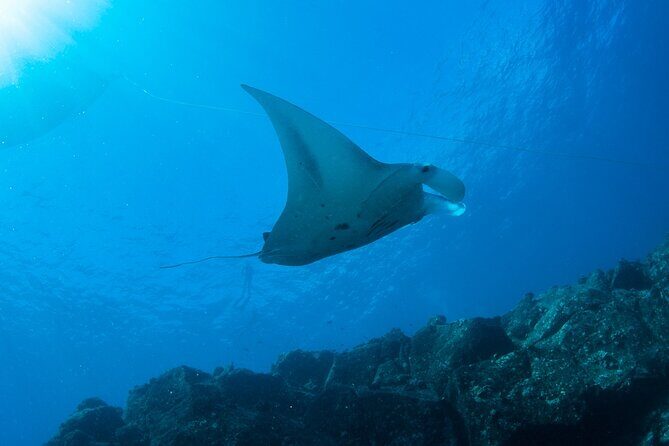
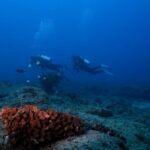
- Reef ecosystems at up to 40 feet: what you’ll actually see
- Cost and value: what $202.75 really buys on Kauai
- Health rules and the altitude limit you can’t ignore
- Who this experience suits best on Kauai
- Should you book this beginner SCUBA session at Koloa?
- FAQ
- How long is the beginner SCUBA experience?
- Where does the experience start and end?
- What’s included in the price?
- Do I need hotel pick-up?
- How deep do you go and how long is each underwater session?
- Are there medical or fitness requirements?
- What altitude rules apply after the activity?
Key details that matter before you go
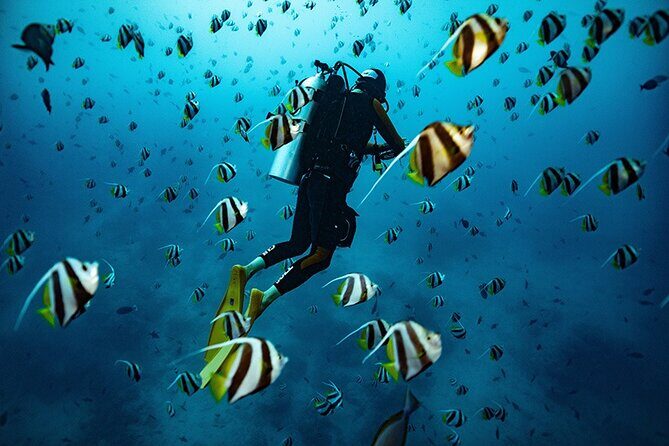
- Small group (up to 4): more attention, less waiting around.
- Koloa Landing shore training area: focused start, then guided reef time.
- Two-tank option: a second reef ecosystem if conditions permit.
- Up to 40 feet, guided sessions: depth and timing stay beginner-friendly.
- Gear + wetsuit included: you can pack light and show up ready.
- Strict medical + altitude rules: read forms early to avoid disappointment.
Koloa Landing shore setup: why this site fits beginners
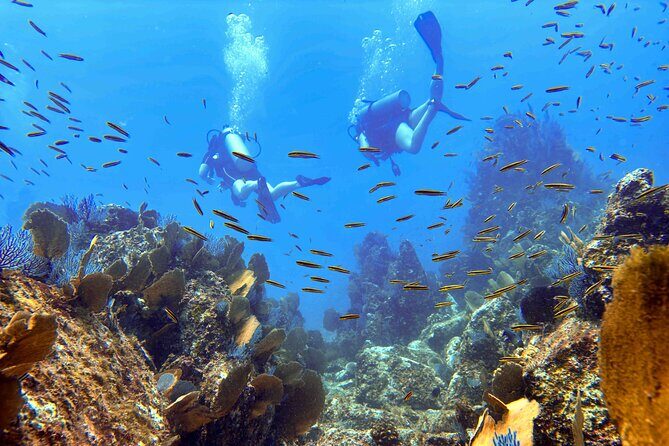
Koloa Landing is a purpose-built shore spot for getting comfortable fast. You’re not just dropped into the ocean and told to figure it out. You’ll check in, get geared up, and then you head to the training area where the water conditions are typically more forgiving for new SCUBA students.
What I like here is the progression. You’ll start with a safety and skills briefing that covers the SCUBA basics you actually need in the water: theory at a practical level, how your equipment works, and how communication happens underwater. Then you practice in a calm, shallow environment until you feel confident enough to move on.
This matters because beginner SCUBA is mostly about staying calm and staying on-task. The ocean can feel loud, your breathing can feel strange at first, and buoyancy takes a little getting used to. A shore training environment helps you build those skills with less stress.
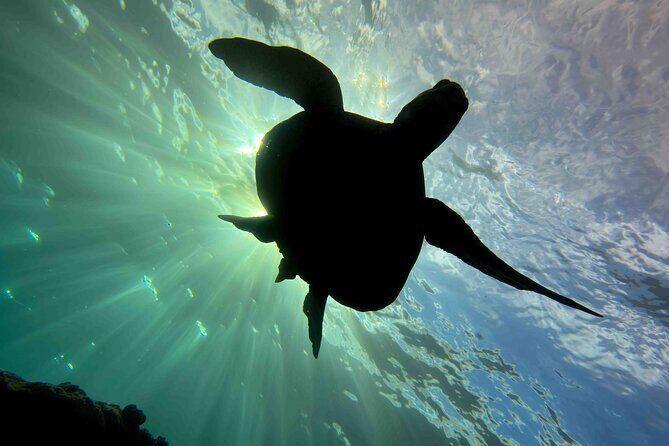
Also, Koloa Landing is known for delivering real wildlife encounters for the effort. In real-world trips, people have come away seeing sea turtles, large schools of fish, and even octopus—often because the guide’s “where to look” skills are strong, not because you’re doing anything fancy.
Practical tip: if you’re even slightly nervous, tell the instructor during the first briefing. The best sessions I’ve seen are the ones where the instructor knows what to watch for in your body (breathing rate, equalizing pace, comfort level).
Other scuba diving tours we've reviewed in Kauai
Your 4.5-hour plan: gear-up, skills, then reef time
The whole experience runs about 4 hours 30 minutes, which is a good length for a first session. Too short and you don’t build confidence; too long and you start to fatigue mentally and physically. This timing usually hits the sweet spot.
Here’s what the day flows like, in plain order:
1) Check-in and gear prep
You arrive at the meeting point (2827 Poipu Rd, Koloa). After check-in, the staff preps your gear. You’ll get a wetsuit and SCUBA equipment so you’re not hunting for rental parts later.
2) Transport to Koloa Landing
You’re taken to the shore training area in private transportation. This saves you the hassle of figuring out parking, timing, and moving bulky gear around.
3) Safety and skills briefing
Before anything happens underwater, you get a thorough briefing. You’ll learn what to do and what not to do, plus the in-water technique steps you’ll repeat. This is where the guide sets you up so your brain isn’t surprised later.
4) Shallow practice until you feel ready
You practice the skills in a calm, shallow environment. The goal is comfort and control, not speed. You keep going until you’re confident enough to proceed.
5) Guided reef time (depth max 40 ft)
Then it’s time for the underwater portion. Each guided underwater session is about 30–45 minutes, and the maximum depth is 40 feet. The guide stays close, so if something feels off—breathing rhythm, buoyancy control, or equalizing—there’s support right away.
6) Two-tank option (if conditions permit)
If you choose the two-tank adventure, you’ll have a second guided experience at a different reef ecosystem. That can mean different marine life patterns and scenery. The key phrase here is if conditions permit, because ocean conditions can change.
7) Back to the shop and wrap-up
After the sessions, you’re transported back to the shop. The day ends where you started at the meeting point.
Heads up: visibility and variety can vary at shore sites. One diver-level complaint isn’t about danger—it’s about how good the viewing is on that day. Your best play is to treat this as beginner training with wildlife opportunities, not a guaranteed “perfect reef photo” day.
Gear, instructors, and the “you’re not alone” factor
This experience includes a professional instructor, plus your wetsuit and SCUBA equipment. For a first-timer, this is huge. The ocean punishes mistakes quickly, and first-time SCUBA isn’t the place to be troubleshooting gear setup or hand-signal confusion.
The instructor is also the reason this trip gets such strong marks. In different trips, I’ve seen instructors like Joe, Carlos, Andrew, Brie, and Thomas Tommy Tom praised for patience and making people feel safe. What those instructors have in common is a focus on comfort and control—especially when someone is nervous or when their breathing equalization is still new.
In one scenario, a group had a mix of complete beginners and people who were certified but hadn’t been in the water in years. That combination can be tricky because you need to keep new students progressing without losing your rhythm, while also giving returning students enough guidance to refresh instincts. The guide handled that mix with a steady, calm approach.
That’s what you want: an instructor who can adjust without making it feel chaotic.
What I’d watch for before you go: if you know you struggle with equalizing on descent, tell the instructor up front. Beginners who do best are the ones who communicate early instead of pushing through in silence.
Reef ecosystems at up to 40 feet: what you’ll actually see
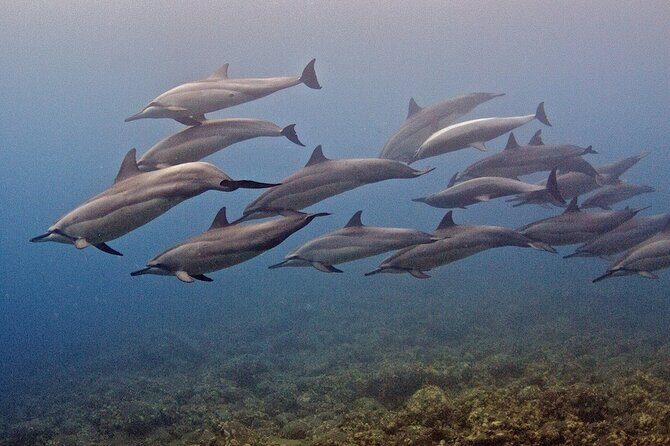
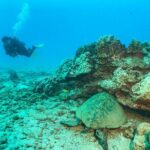
Your underwater time centers on coral reefs, with a maximum depth of 40 feet. That depth range is typical for beginner training because it keeps the experience manageable while still letting you see real reef life.
The two-tank version is where things can get extra interesting. A second tank can mean a second ecosystem—so you’re not just repeating the same viewing pattern. Depending on conditions, that can translate into different fish behavior, different coral structure, and more chance at spotting animals.
Based on what people reported from real outings:
- Sea turtles show up often enough that it’s a realistic target.
- Octopus gets spotted when the guide is actively scanning and moving with purpose.
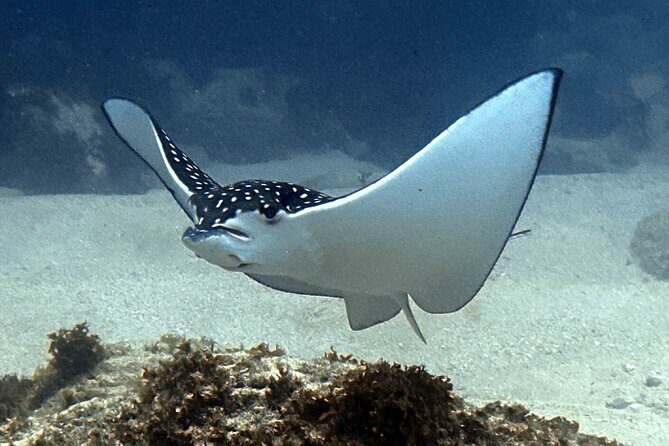
- Schools of fish and eels are commonly mentioned, especially when visibility is decent.
- Even when variety is limited, beginners still come away with plenty to observe.
One practical note: shore entry can feel a little awkward compared to boat access. You might find getting into the water takes more effort than the open-ocean style trips. The guide helping you with timing, balance, and entry steps makes a difference.
Beginner mindset that pays off: don’t aim for perfection. Aim for smooth skills: steady breathing, good buoyancy, and keeping your eyes calm. If you do that, the wildlife usually arrives as a bonus.
Cost and value: what $202.75 really buys on Kauai
At $202.75 per person, this isn’t a “cheap and cheerful” activity. But it’s also not inflated when you compare what’s included versus what beginners usually pay separately.
Here’s what your price covers:
- Professional instructor
- Wetsuit
- All fees and taxes
- Bottled water
- Snacks
- Use of SCUBA equipment
- Private transportation to and from Koloa Landing
What’s not included: hotel pick-up and drop-off. So your biggest cost risk isn’t the ticket price—it’s how you get yourself to the meeting point at 2827 Poipu Rd, Koloa.
When the day includes gear, equipment use, transport, and instruction, the value is strong for first-timers. You’re paying for safety, time, and coached skill building, not just “time in the water.”
Another value indicator: this experience is commonly booked about 36 days in advance on average. That suggests demand is steady, and planning ahead helps you lock in a schedule that fits your Kauai days.
My value take: If you want the beginner support with minimal hassle, the bundled price makes sense. If you already have gear and can arrange private transport easily, then a cheaper-only-rental option might tempt you—but for most first-timers, the instruction package is the real deal.
Other scuba diving tours in Kauai

Health rules and the altitude limit you can’t ignore
This is the part that can ruin a trip if you skip it. SCUBA has medical and physiology rules, and this experience is strict about them.
You’ll be required to complete the PADI medical questionnaire. If your responses indicate a need, you must have physician approval stating it’s safe to participate.
There’s also a specific altitude restriction: you must not travel to more than 1000 ft of elevation for 18 hours after the activity. The data explicitly includes things like interisland and commercial flights, helicopter tours, skydiving, and trips to Waimea Canyon.
That means this isn’t just a “don’t skip a form” rule. It can affect your whole day plan. If your itinerary involves flights soon after, or if you’re heading into higher-elevation areas, you’ll need to schedule your SCUBA session with that restriction in mind.
Also pay attention to the paperwork timeline: you’re asked to read and complete the forms in your confirmation email right away. If required forms aren’t completed successfully, there may be no refund within 24 hours of your experience. That’s your cue to do the admin early, even if you feel healthy and ready.
Simple strategy that protects your money: complete the medical questionnaire as soon as you book, then double-check whether you have any relevant medical history that could require physician sign-off.
Who this experience suits best on Kauai
This program fits a wide range of people because it’s built around beginner comfort. The experience indicates most people can participate, and service animals are allowed.
From real-world situations, it can work for:
- Families trying SCUBA for the first time (including teens such as 12 and 15 when they meet requirements and feel ready).
- Couples who want an introduction without committing to full certification right away.
- Solo travelers who prefer one-on-one attention in a small group setting.
It also can work for people who are certified but haven’t been in the water for a long stretch. In those cases, the instructor’s job is to reset skills and confidence while guiding the group smoothly.
If you’re nervous about breathing through the regulator, you’re not alone—and patience is a recurring theme in the positive experiences. If you’re worried about equalizing, tell the instructor. Good coaching turns those fears into manageable steps.
If you’re prone to pressure issues: consider asking your doctor beforehand and follow the medical questionnaire carefully.
Should you book this beginner SCUBA session at Koloa?
I think this is a smart booking if you want beginner-friendly training with real instruction time, gear provided, and a calm plan that starts shallow and builds your confidence. The small group size (up to 4) is a real advantage. You’re more likely to get tailored guidance instead of feeling lost in a larger crowd.
Book it if:
- You want structured practice before going out for reef time.
- You want a guided program that includes two-tank viewing if conditions allow.
- You’re comfortable following the medical questionnaire and respecting the 18-hour, 1000 ft altitude rule.
I’d be more cautious if:
- Your schedule involves flights or higher-elevation plans soon after.
- You haven’t completed the required forms yet and you tend to leave paperwork for last.
- You’re expecting the best visibility every time; shore conditions can vary, and this is still a beginner training experience first.
If you like the idea of learning the fundamentals properly—then seeing coral reef wildlife as a reward—this is a strong fit for Kauai.
FAQ
How long is the beginner SCUBA experience?
It runs about 4 hours 30 minutes, including check-in, transportation to Koloa Landing, instruction, and the underwater sessions, then returning back to the meeting point.
Where does the experience start and end?
It starts at 2827 Poipu Rd, Koloa, HI 96756, USA. It ends back at the same meeting point.
What’s included in the price?
Included are a professional instructor, wetsuit, SCUBA equipment use, all fees and taxes, bottled water, snacks, and private transportation to Koloa Landing.
Do I need hotel pick-up?
No. Hotel pick-up and drop-off are not included.
How deep do you go and how long is each underwater session?
The maximum depth is 40 feet. Each guided underwater session is about 30–45 minutes.
Are there medical or fitness requirements?
Yes. You must complete the PADI medical questionnaire, and if needed you must get physician sign-off that it’s safe to participate.
What altitude rules apply after the activity?
You must not travel to more than 1000 ft of elevation for 18 hours after the activity, including flights and other higher-elevation trips.