REVIEW · KAUAI
Kauai: Scenic Electric Bike Tour of Poipu and Koloa
Book on GetYourGuide →Operated by BikeIt LLC · Bookable on GetYourGuide
Morning rides on Kauai feel like a cheat code. You get an electric boost for the hills and a guide crew led by Eugene and Lori that turns familiar places into stories you’ll remember. I also love how you stop often enough to catch the views and still feel like you’re moving (Shipwrecks Beach, Koloa Sugar Mill, Prince Kuhio’s Birthplace, and Spouting Horn). The one real drawback: it starts early, and you’ll still be pedaling—just with help.
The tour runs about 150 minutes and covers roughly 14–15 miles across Poipu and Koloa with 5–6 planned stops. Check-in is at 7:15 AM (tour leaves 7:30), and the group is limited to 7 people, so you don’t get lost in the crowd or wait forever at each viewpoint.
In This Review
- Key things I’d put on your radar
- Why Poipu and Koloa Look Better at 7:30 AM
- E-Bike Setup: What the Motor Does and What You Still Do
- The 14–15 Mile Route: How the Stops Keep the Ride Meaningful
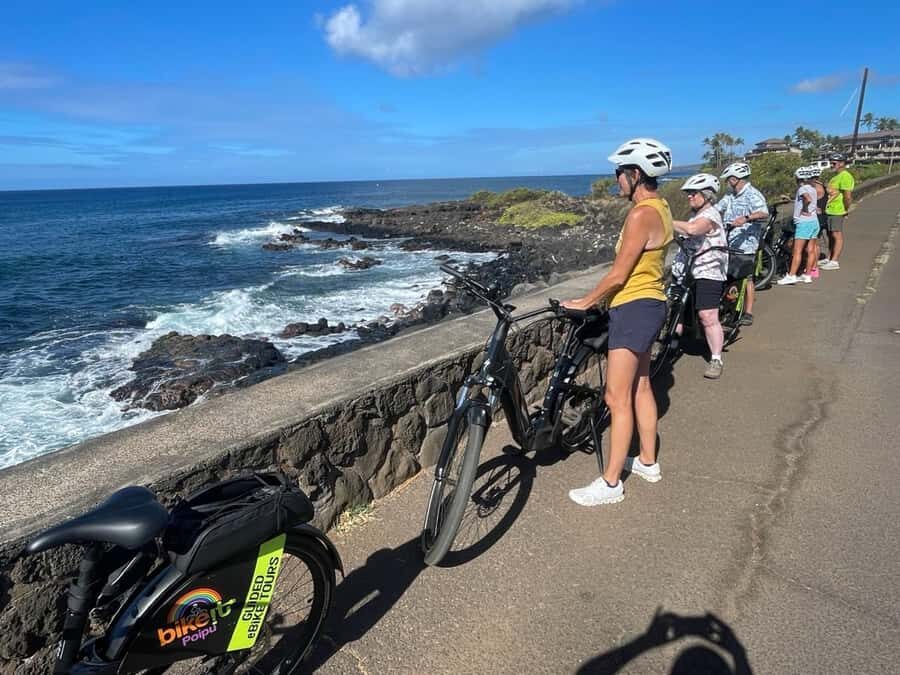
- Shipwrecks Beach and the Poipu Coast Views
- Koloa Sugar Plantation Stops: Missionary Impact and Local Storytelling
- A Local Fruit Stand Break You Can Plan Around
- Prince Kūhiō’s Birthplace: Culture and Place Connections
- Riding the Kauai Bike Trail Path: Easy Mileage for Fresh Legs
- Spouting Horn and the Moʻo Legend: Where Honu Steal the Show
- What Eugene and Lori Add (That a Map Can’t)
- Price and Value: Is $156 Worth It?
- Who This Tour Fits Best (and Who Should Skip It)
- Quick Practical Tips Before You Go
- Should You Book This Poipu and Koloa E-Bike Tour?
- FAQ
- How long is the Kauai Scenic Electric Bike Tour of Poipu and Koloa?
- What time does the tour start, and when should I check in?
- How far will I ride on the tour?
- What are some of the stops on the route?
- Is the tour suitable for beginners?
- What’s included in the price?
- Does the tour include hotel pickup and drop-off?
- What should I bring, and what footwear is required?
- What restrictions apply for height, weight, and age?
Key things I’d put on your radar
- E-bike assist that actually helps on Kauai hills, not just on flat stretches
- Guides Eugene and Lori who connect local legends and plantation-era details to each stop
- Spouting Horn + sea turtles (honu) with a focus on Moʻo legend and what you’re seeing
- Multiple photo-friendly stops without turning the ride into a long parking-lot shuffle
- Small-group pacing so slower riders can keep up and faster riders don’t get stuck waiting
- About 14–15 miles in 2.5 hours, with water and bathroom breaks built in
Why Poipu and Koloa Look Better at 7:30 AM
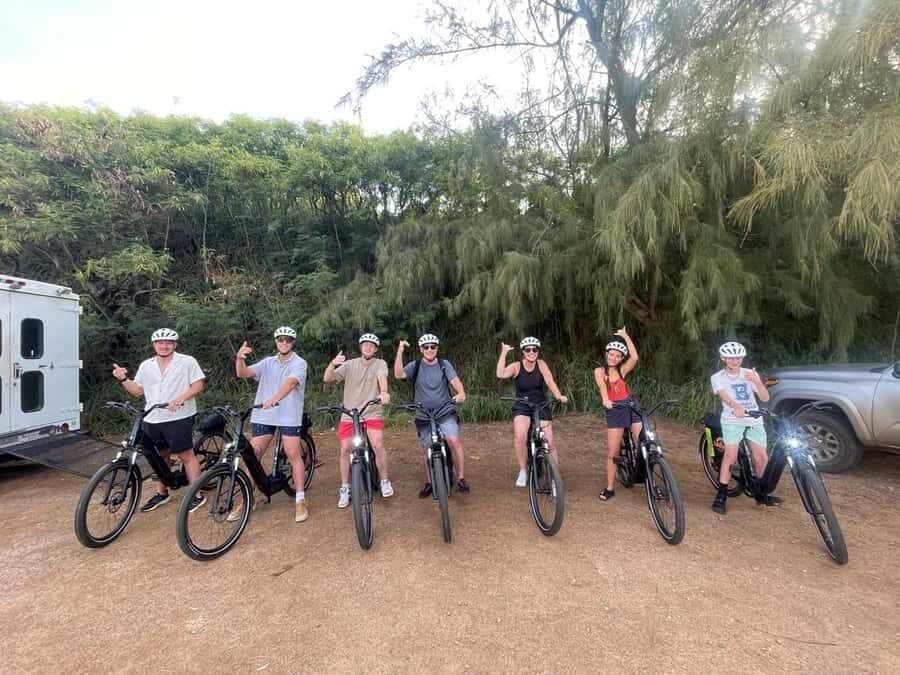
There’s something about Kauai in the morning light—everything looks clearer, the air feels cooler, and the road has less traffic energy. This tour leans into that timing by starting in the morning, when you can enjoy views around Poipu and Koloa without the late-day grind.
I like that the plan balances activity with stops. You’re not just “seeing” Kauai from a bus window—you’re riding through it, then pausing for context at specific points. That rhythm matters, because the historical and legend stops land better when you’ve built up a little momentum first.
One more practical note: you meet at 7:15 AM for check-in at the cul-de-sac before the parking lot of Shipwreck Beach in Poipu, and the tour leaves at 7:30 AM. If you’re someone who hates being rushed, set up your morning early so you arrive calm instead of sprinting.
Other Poipu and Koloa tours we've reviewed in Kauai

E-Bike Setup: What the Motor Does and What You Still Do
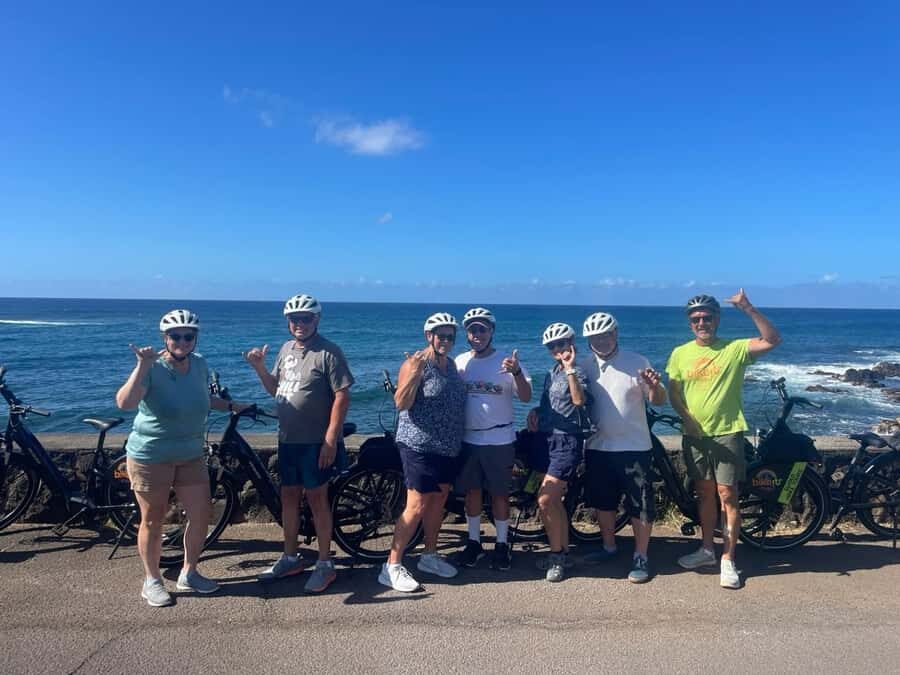
The bikes are Specialized Turbo Como e-bikes, and the big advantage is simple: you get a boost when hills or headwinds show up. The tour is not “sit and glide” biking. You still pedal, but the assist helps you keep a steady effort instead of grinding through every incline.
From a comfort standpoint, this is a good way to explore Kauai without feeling like you need to be a serious cyclist. That matters because the route includes some hills, and the electric help keeps the ride fun rather than punishing.
Also pay attention to footwear rules: closed-toe shoes only. You’ll be moving on and off the bike at stops, and you don’t want to risk foot fatigue or slips. Bring sunglasses too—morning glare on open stretches can be real.
The 14–15 Mile Route: How the Stops Keep the Ride Meaningful
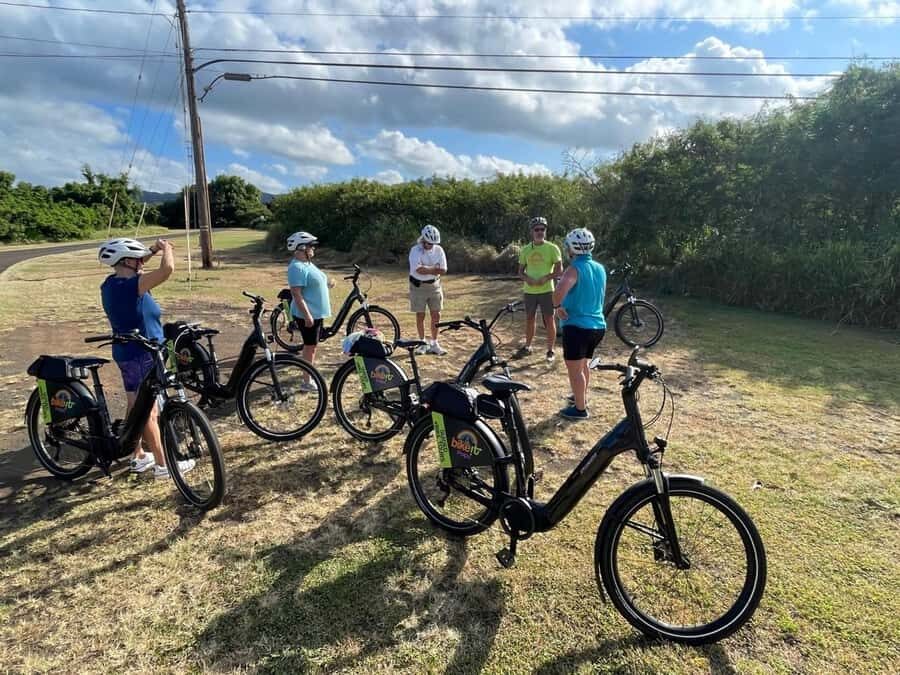
This is about 14–15 miles across Poipu and Koloa over roughly 2.5 hours, with 5–6 stops along the way. The stops aren’t random. They’re chosen to give you a mix of shoreline scenery, plantation-era context, local life, and Hawaiian legend.
Here’s the flow you can expect, in a way that helps you mentally pace your energy:
1) You launch early from the Shipwreck Beach area.
2) You ride through the Poipu–Koloa corridor with frequent narration.
3) You hit key viewpoints and historical/legend stops.
4) You refuel with water and bathroom breaks as needed.
5) You finish after a steady loop of riding and stopping, not after long detours.
One thing I appreciate: the tour keeps you moving enough that your legs get some work, but it isn’t so long or intense that it turns into a “survival ride.” It’s active travel with guardrails.
Shipwrecks Beach and the Poipu Coast Views
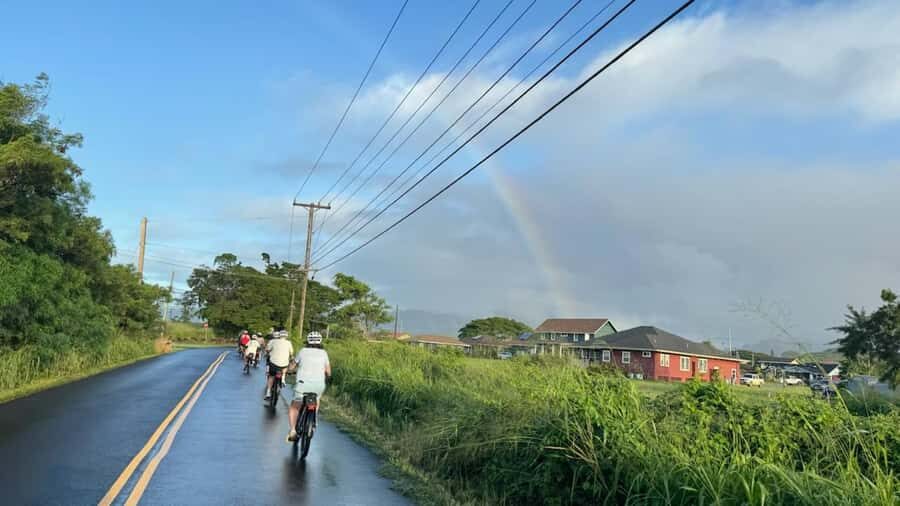
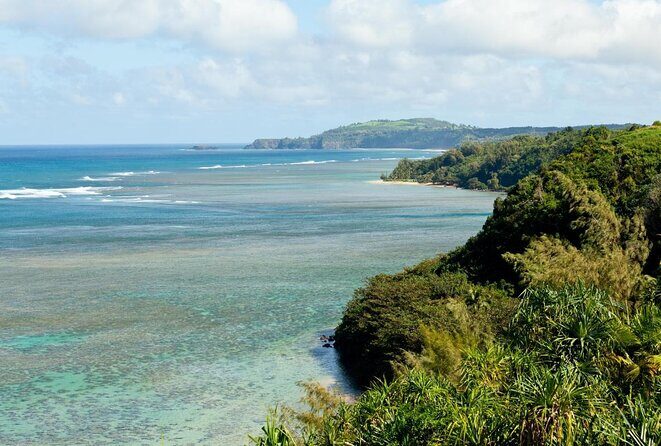
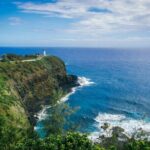
Shipwrecks Beach is one of those Kauai names that makes you look around instantly—waves, rocks, and drama in the coastline. Even if you don’t spend a ton of time standing still, the stop works because you’re arriving after a short ride and the scenery hits right away.
What you’ll likely enjoy most here is the contrast: the quiet moments while you listen, and the ocean energy that keeps pulling your eyes back out to the water. It’s also a solid start point because it helps you set the tone for the rest of the tour—this is an island where nature is never far away.
If you’re a photo person, go ready. This area is one of those places where the best pictures come from standing in slightly different angles and using natural lines from the shore and rocks.
Koloa Sugar Plantation Stops: Missionary Impact and Local Storytelling
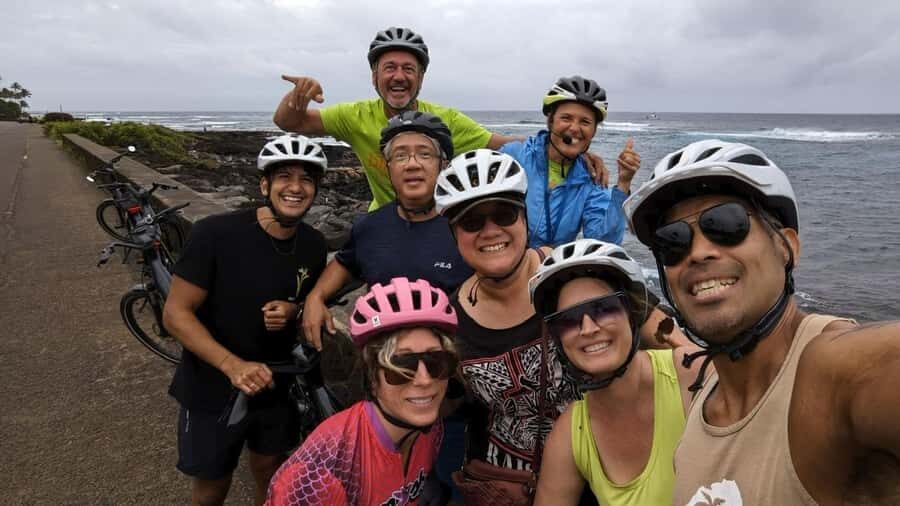
Koloa is where Kauai history turns from general to specific, and the sugar plantation connection is a big reason why. You’ll get stops tied to Koloa Sugar Plantation / Koloa Sugar Mill context, and the guide narration includes how plantation life reshaped the area, including missionary-era influence.
I love that this doesn’t read like a textbook. It’s delivered while you’re riding through the places where that story played out. When you’re out in the real geography, details like how communities changed, what labor meant, and why legends still matter feel more grounded.
There’s also a practical side: hearing the historical context helps you understand what you’re seeing later at legend stops. Kauai’s myths and history aren’t in separate boxes—they overlap in how locals explain the land.
Other cycling tours in Kauai

A Local Fruit Stand Break You Can Plan Around
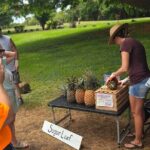
One of the stops is at a local fruit stand. This is one of those “small” moments that makes the tour feel more like daily life than a checklist. It’s also a useful pacing tool. You’ll get a chance to step off the bike, stretch your legs, and refocus before the next stretch of riding.
I don’t treat this as a must-buy stop, but it’s a nice option if you’re hungry or you want a Kauai snack that feels tied to the route. Even if you just browse, you’ll come away with a better sense of what “local” means in the Poipu–Koloa area.
Prince Kūhiō’s Birthplace: Culture and Place Connections
Prince Kūhiō’s Birthplace is another key stop, and it adds cultural depth to what would otherwise be just scenery and waves. The guide’s job here is important: you’re not just reading a name on a sign—you’re connecting a person’s legacy to the island’s identity.
The tone of the stop tends to fit the rest of the tour: short, informative, and designed to work with your pace. You won’t spend so long here that you feel your morning slipping away, but you’ll still get enough context to make the location feel real.
If you enjoy cultural stops that don’t feel museum-heavy, this is a strong match.
Riding the Kauai Bike Trail Path: Easy Mileage for Fresh Legs
The tour includes a famous path—Kauai Bike Trail—where the ride experience can feel smoother than unpredictable road segments. This part matters because it gives you that “keep moving” feeling while still staying in the tour rhythm.
For me, trail riding is where you can get a more relaxed sense of motion. You’re still biking, still outdoors, and still listening through the guidance, but the effort often feels more manageable.
It’s also a good moment to think about your gear and hydration. If you’ve saved some energy, this is when you’ll feel it most.
Spouting Horn and the Moʻo Legend: Where Honu Steal the Show
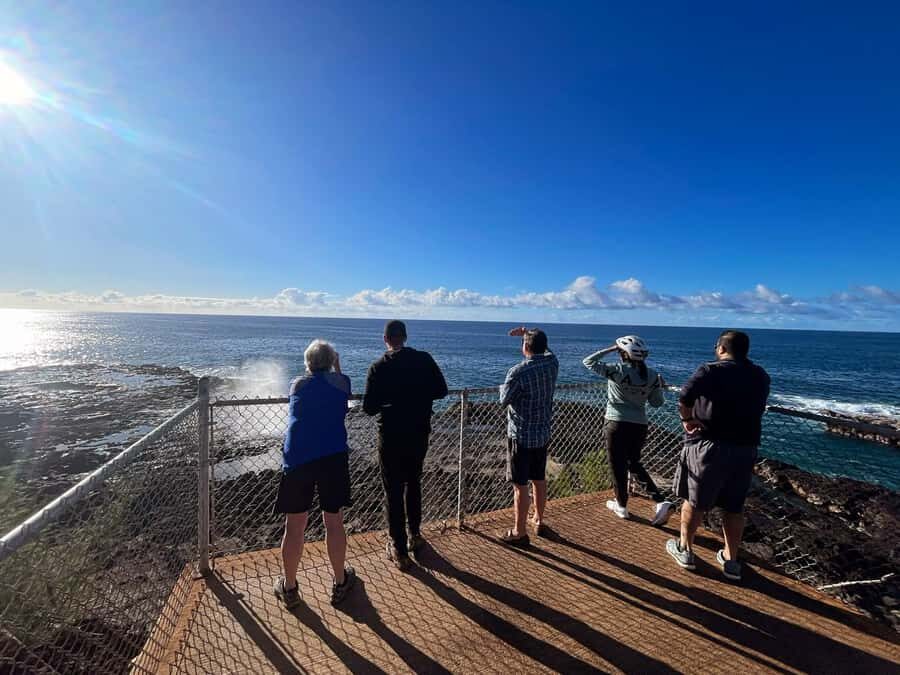
Spouting Horn is where Kauai gets loud—in a good way. It’s a blowhole area that creates dramatic splashes, and it’s also the stop tied to Moʻo legend and the chance to see Hawaiian sea turtles, honu.
This is one of the most praised segments because it mixes three things people love:
- a unique nature spectacle
- a legend that explains what you’re seeing
- and the possibility of honu sightings
You don’t control ocean conditions, of course, but you can control your readiness. Stand at good angles, keep your eyes open for movements near the waterline, and listen closely when the guide connects the story to the place.
If you’re traveling with wildlife on your mind, remember this is part of a seasonal mix. The tour may include sightings like green sea turtles (honu), endangered monk seals, and humpback whales depending on the time of year. You’re going for the chance, not a guaranteed checklist.
What Eugene and Lori Add (That a Map Can’t)
This tour’s biggest strength is the guide partnership. Eugene and Lori don’t just say where you are—they explain why the places matter and how locals talk about the land.
From the narration, you pick up practical context too. Guides share details that help you connect the historical sugar story, the cultural sites, and the legend pieces into one coherent view of Kauai. And they can help you adjust your expectations: where you’ll likely feel hills, where you can relax your effort, and how to keep your pace comfortable.
I also appreciate the group audio setup. It means you’re not constantly straining to hear details while the wind grabs at your attention. That matters because the whole point of stopping is understanding, not just taking pictures and moving on.
Price and Value: Is $156 Worth It?
At $156 per person for about 2.5 hours, you’re paying for a full package: a guided ride, an e-bike, helmet, and water—plus multiple planned stops that mix scenery with cultural and legend context.
Here’s why that can feel like good value:
- You’re getting guided stops tied to Poipu and Koloa’s best-known landmarks.
- The e-bike reduces fatigue so the tour is more accessible than a standard bike ride.
- The small group (up to 7) helps the experience feel personal rather than rushed.
Is it “cheap”? No. But it’s not just renting a bike and hoping you find the right turns. You’re paying for a guided morning with enough structure to make the ride feel intentional.
If you’re already planning to spend money on multiple separate outings—scenic stops, a cultural tour, and a shoreline viewing—this is often a cleaner use of time. One morning, one route, several meaningful stops.
Who This Tour Fits Best (and Who Should Skip It)
This tour is best for people who want active sightseeing without going all-in on intense biking.
It’s a solid fit if you:
- can ride a bike, even if you’re not experienced with e-bikes
- want help on hills and still want to feel like you’re participating
- prefer small-group mornings over crowded tours
It’s not a fit if you:
- can’t ride a bike
- have back problems that make pedaling uncomfortable
- are under 15 years old
- are under 5 ft 1 in (155 cm)
- weigh over 300 lbs (136 kg)
Also note: there’s no hotel pickup and drop-off. You’ll need to get yourself to the meeting point in Poipu (cul-de-sac before the parking lot of Shipwreck Beach), which is easy if you’re nearby and less convenient if you’re far away.
Quick Practical Tips Before You Go
A few small things can make or break the morning.
- Wear closed-toe shoes only.
- Bring sunglasses.
- Plan to check in at 7:15 AM, not 7:30 AM.
- Expect short stops plus bathroom and water breaks.
- Bring a mindset of steady effort, not pure sightseeing from a seat.
If you’re sensitive to early wakeups, consider that this is a morning-first experience. But if you like cool air, crisp light, and getting your Kauai touring done early, this schedule is a big win.
Should You Book This Poipu and Koloa E-Bike Tour?
Book it if you want an efficient, active way to see Poipu and Koloa with real storytelling—especially if you care about culture, legends, and places tied to the island’s history. The combination of e-bike assist, frequent stops, and guides like Eugene and Lori makes it more than a fun ride.
Skip it if you’re not comfortable pedaling, you’re trying to avoid early mornings, or you’d rather have a vehicle do more of the work. And if you don’t want to deal with a specific meeting point without pickup, plan your transportation first.
If you line those things up, this is one of the better ways to get a morning dose of Kauai: coast views, plantation-era context, and legend-driven stops—served with a little electric help.
FAQ
How long is the Kauai Scenic Electric Bike Tour of Poipu and Koloa?
The tour lasts about 150 minutes, or roughly 2.5 hours.
What time does the tour start, and when should I check in?
Check in is at 7:15 AM, and the tour starts at 7:30 AM.
How far will I ride on the tour?
You’ll ride about 14–15 miles (about 22–24 km).
What are some of the stops on the route?
You’ll make stops that can include Shipwrecks Beach, Koloa Sugar Plantation/Mill, a local fruit stand, Prince Kūhiō’s Birthplace, a Kauai Bike Trail path, and Spouting Horn.
Is the tour suitable for beginners?
The tour is designed to accommodate different biking skill levels, and limited biking experience generally isn’t an issue with guide support. You still need to be able to ride a bike.
What’s included in the price?
Included are the 2.5-hour electric bike tour, a Specialized Turbo Como e-bike, a local guide, a helmet, and water.
Does the tour include hotel pickup and drop-off?
No. Hotel pickup and drop-off are not included.
What should I bring, and what footwear is required?
Bring sunglasses and closed-toe shoes. Open-toed shoes are not allowed.
What restrictions apply for height, weight, and age?
It’s not suitable for children under 15, people with back problems, or anyone who can’t ride a bike. There’s also a height minimum of 5 ft 1 in (155 cm) and a maximum weight of 300 lbs (136 kg).