REVIEW · KAUAI
Kauai Chocolate Farm Tasting Tour
Book on Viator →Operated by Lydgate Farms Kauai Chocolate · Bookable on Viator
If you love chocolate, start here. This 3-hour Lydgate Farms tour walks you through cacao growth and chocolate making at a working farm, with botanical-garden tastings along the way. You’ll sample farm products from the property, including tropical fruits and cacao fruit, then finish with an in-depth tasting of dark chocolate made from Hawaiian-grown cacao.
Two things I love: the hands-on, farm-based cacao lesson (pod to seed to chocolate), and the fact that tasting isn’t just chocolate. You also get honey, vanilla beans, and fresh fruit right as you learn what you’re looking at. One thing to consider: the experience is mostly guided talk with seated tasting moments, so it’s not the kind of “run around a garden” tour.
In This Review
- Key highlights to look for
- Lydgate Farms: What This Tour Actually Feels Like
- Where You Meet and How to Plan Your Timing
- The Start: Botanical Gardens and Farm Tastings
- Cacao Fruit 101: What’s on the Tree Before It’s Chocolate
- From Seed to Bar: The Step-by-Step Chocolate Lesson
- The Tasting Lineup: What You’ll Eat and Why It Matters
- How Much Walking, How Much Sitting, and Who This Fits
- Price and Value: Is $145 Worth It?
- Small Logistics That Make the Day Easier
- Who Should Book This Tour (and Who Might Skip)
- Should You Book Lydgate Farms Kauai Chocolate?
- FAQ
- How long is the Kauai Chocolate Farm Tasting Tour?
- Where does the tour start and end?
- Is hotel pick-up included?
- What is included in the tour price?
- What food tastings can I expect?
- Are children allowed on this tour?
- Is it self-guided?
- What if the weather is bad?
Key highlights to look for
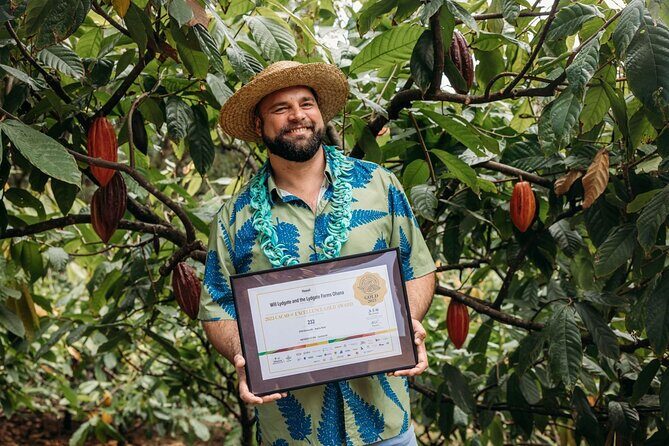
- Cacao fruit and seed-to-bar education on a working farm
- Award-winning honey, vanilla beans, and tropical fruit tastings included
- Dark chocolate focus with specific estate-grown percentages you’ll taste
- Small-group feel with a maximum of 25 travelers
- Guides who keep it fun (you may get a humorous, fast-moving guide like Sheri, Mason, Jess, or Jenna)
- A family-friendly option for older kids (children over 7 only)
Lydgate Farms: What This Tour Actually Feels Like
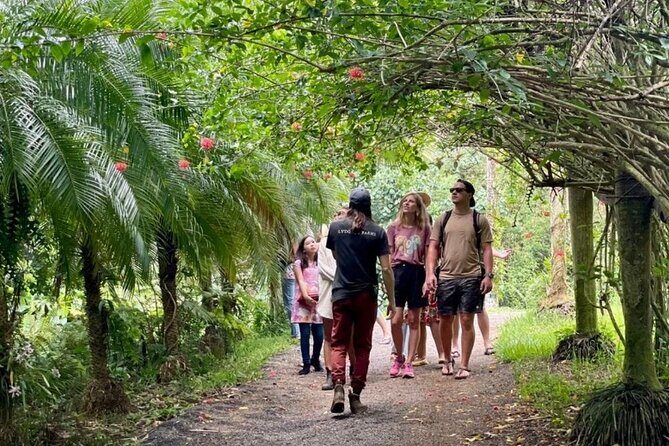
This isn’t a quick “factory stop” where everything is frozen and pre-packed. At Lydgate Farms, you’re learning inside the rhythms of a working agricultural operation: plants, pods, fruit, and the steps that turn raw cacao seeds into chocolate.
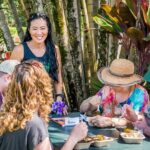
The vibe is practical and friendly. You’re not just staring at a screen—you’re tasting what you’re being taught, with stops that build from what the cacao tree does to what the finished bar tastes like. Guides also tend to explain things in plain language, often with humor, so you stay with the story instead of zoning out.
The best part for me is the balance of flavors. You get chocolate, yes, but you also get context: why Hawaiian-grown cacao tastes the way it does, and how tropical fruits and botanicals fit into the farm experience.
Other food and culinary tours we've reviewed in Kauai
Where You Meet and How to Plan Your Timing
Your meeting point is Lydgate Farms Chocolate Tours at 5730 Olohena Rd, Kapaʻa, and the tour ends back at the same place. There’s no hotel pick-up, so you’ll want to arrange your own ride—an Uber or taxi. One smart move: line up your return before you leave the farm, because you don’t want to scramble at the end of a busy afternoon.
The tour runs about 3 hours. That timing matters because you’ll be in a guided flow the whole time: walking portions, then tasting portions, then more explanation. If you’re sensitive to long lecture-style segments, plan to arrive rested (and with a snack mindset—your chocolate hunger will be satisfied, but your attention still needs to land).
This is offered in English, and you’ll receive a mobile ticket. The group max is 25 travelers, which helps keep the tour from feeling like a cattle line.
The Start: Botanical Gardens and Farm Tastings
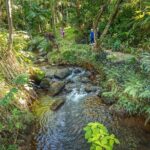
You begin with a stroll through Lydgate’s botanical gardens. This is where the tour makes its case: cacao is part of a bigger ecosystem, not a stand-alone “chocolate tree attraction.”
Expect tastings early, before the heavy cacao talk kicks in. You’ll sample things like award-winning honey, vanilla beans, and multiple tropical fruits picked from the farm. This early food-and-sight flow does two helpful jobs for you:
1) It gets your senses awake, so later cacao descriptions make more sense.
2) It prevents the experience from becoming only one-note chocolate trivia.
You’ll also start learning what to look for on the farm—different plants, different stages of growth, and the way the guides connect the dots between garden science and what ends up in your tasting lineup.
Cacao Fruit 101: What’s on the Tree Before It’s Chocolate
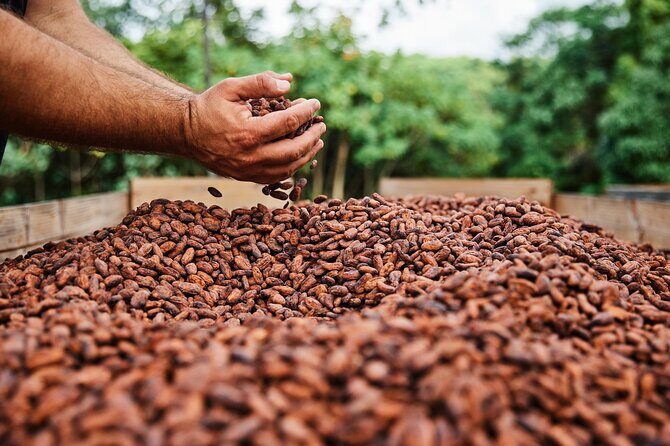
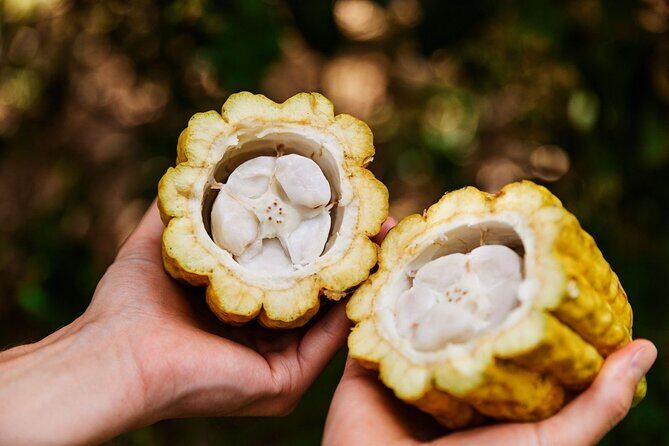
After the garden start, you shift to the cacao itself: what cacao pods and ripe fruit look like, and what happens next. This is the section that turns the tour from “tasting event” into “I understand chocolate now.”
You’ll learn about Theobroma cacao, the chocolate tree, and you’ll taste cacao fruit. That matters because most people only think about chocolate bars. Seeing and tasting the ripe fruit helps you understand why the seeds inside it are the real starting point.
One underrated benefit here: cacao flavor is seasonal and agricultural. You’ll pick up how the farm approach connects growing conditions to taste outcomes in the final chocolate. That’s one reason Hawaiian-grown cacao gets talked about with respect—it’s tied to real cultivation, not just branding.
From Seed to Bar: The Step-by-Step Chocolate Lesson
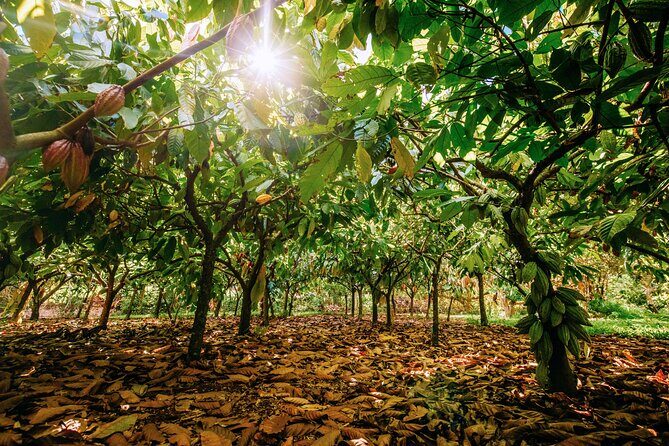
Now comes the most educational part of the tour: how raw cacao seeds become chocolate. Your guide walks you through the process from harvest to transformation—how those seeds get handled, what gets processed, and how you end up tasting finished chocolate.
This isn’t a lab class, but it is a real explanation of steps and decisions. That’s useful if you’re the kind of person who tastes and thinks, Why does this one taste deeper? Why does this one taste cleaner? The tour sets you up to notice differences instead of just chasing sweetness.
You’ll also learn what makes Hawaiian cacao distinct. The goal isn’t to hand you a long scientific manual. It’s to give you a framework so you can taste with purpose—what you’re trying to detect, and why it changes from one chocolate to another.
Some guides are especially good at keeping this portion lively. If you’re with a guide like Mason (who was described as upbeat and humorous), you’ll probably feel like the lecture is moving at the same pace as your tasting.
Other food & drink experiences in Kauai

The Tasting Lineup: What You’ll Eat and Why It Matters
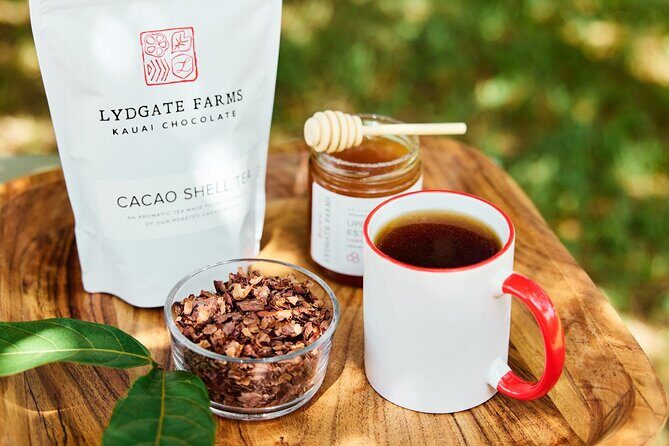
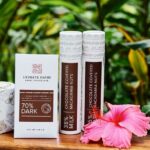
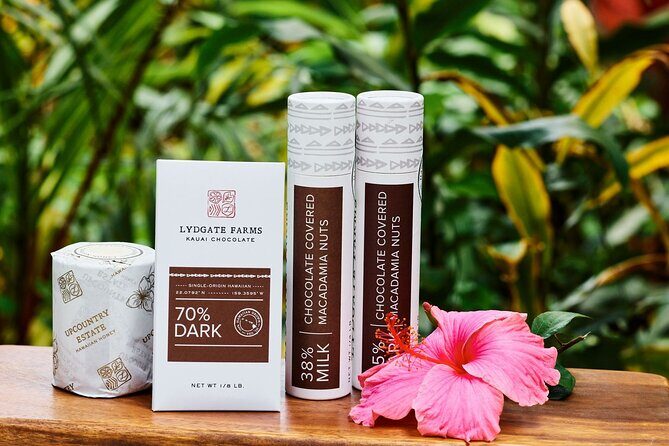
Tastings are the heart of the experience, and you get a mix that keeps your palate from getting bored. The menu includes a starter dark chocolate covered macadamia nut and at least one banana offering, plus a main dark chocolate bar.
Here’s what’s specifically listed in the tasting lineup:
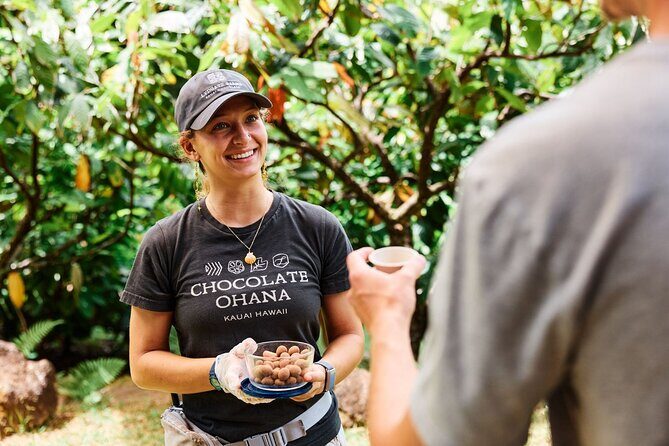
- Starter: Dark Chocolate Covered Macadamia Nut (55%)
A Hawaiian-grown 55% dark chocolate covering a roasted and caramelized macadamia nut. This one is a local favorite for a reason: it blends tropical crunch with dark chocolate depth.
- Starter: Farm Grown Banana
A farm-grown Hawaiian apple banana served with aloha. This helps reset your palate and gives context to the farm flavors you’re learning about.
- Main: 70% Dark, Estate Grown
Made from award-winning Hawaiian-grown cacao. This is where you really get to taste the cacao’s character rather than just added sugar or heavy flavorings.
Beyond the items above, you’ll also taste things from the farm like honey, vanilla beans, and tropical fruit samples. That variety is smart. It makes chocolate tasting feel connected to the land, instead of acting like an isolated dessert stop.
How Much Walking, How Much Sitting, and Who This Fits
This is a farm tour, but it’s not an endurance hike. One detail to count on: there’s limited walking with lots of sitting and tasting. So if your idea of a great Kauai day is moving nonstop through trails, you might find the pace slower than you want.
If, instead, you like learning while eating—this tour is built for you. The educational tone is a frequent theme in the positive experiences, and the best guides keep it understandable and fun. People have also praised guides by name, including Beth, Sheri, Henry, Jess, Jenna, and Brooke.
A quick practical note for families: children under 7 aren’t allowed on this tour. That’s a clear filter. If you have younger kids, plan on visiting the tasting room in Kapaa town instead (self-guided is available there; farm tours require a reservation).
Also consider your personal learning style. If you enjoy structured facts and a talk-led pace, you’ll likely love it. If you prefer tours that feel more informal and less lecture-heavy, adjust your expectations.
Price and Value: Is $145 Worth It?
At $145 per person for about 3 hours, this isn’t a bargain-tour price. The value comes from three places:
1) You’re paying for a guided farm visit that’s not self-guided.
2) You’re getting multiple tastings (honey, vanilla, tropical fruit, cacao fruit, and multiple chocolate types), not just a single sample.
3) You’re getting a structured cacao education that connects growing and making—especially if you’re trying to learn how “quality dark” tastes different.
If you’re someone who loves craft food and wants to understand where it comes from, this price starts to make sense fast. If you mainly want sugar-heavy tasting and don’t care about the process, you may feel like you’re paying for information as much as chocolate.
I’d treat this as a “food education experience.” You’re buying tastings plus an explanation that teaches you what to look for next time you see chocolate from somewhere else.
Small Logistics That Make the Day Easier
A few practical points can save you time and stress:
- Bring your ride plan. No hotel pick-up, and you’ll end back at the meeting point.
- Plan for the tasting schedule. You’ll be eating multiple items, including dark chocolate. If you’re sensitive to lots of sweetness, pace yourself and use the fruit tastings to reset.
- Expect a structured group flow. With a max of 25, it’s not private, but it also won’t be chaotic.
- Watch the weather. This tour requires good weather. If it’s canceled due to poor conditions, you’ll be offered a different date or a full refund.
If you’re traveling with kids, remember the age rule: only over 7 allowed. If your child is close to the cutoff, you’ll want to handle that decision early.
Who Should Book This Tour (and Who Might Skip)
Book this if:
- You want to taste Hawaiian-grown cacao and learn what you’re tasting.
- You enjoy dark chocolate and want a clearer sense of how it’s made and why quality matters.
- You like farm-to-table experiences where food and agriculture education work together.
Consider skipping if:
- You mainly want a long, active nature walk.
- You don’t like lecture-style pacing and prefer lighter, more freeform tours.
- You’re traveling with kids under 7 (this tour won’t fit).
One more thought: guides matter. People have had memorable experiences with specific guides like Sheri, Mason, Jess, Jenna, Henry, Beth, and Brooke. Even if you can’t choose your guide, this tour seems to perform best when you let your guide talk you through the tasting.
Should You Book Lydgate Farms Kauai Chocolate?
Yes—if you’re the kind of person who thinks good chocolate deserves an explanation. The combo of cacao fruit, botanical tastings, and seed-to-bar education is a smart use of 3 hours, especially for couples and food lovers.
If you’re unsure, use this rule of thumb: if you’re excited to taste dark chocolate and learn where it comes from, it’s worth booking. If your ideal day on Kauai is nonstop walking or you want only dessert-style tasting, you may find the pace more talk-and-sit than hike.
FAQ
How long is the Kauai Chocolate Farm Tasting Tour?
It lasts about 3 hours.
Where does the tour start and end?
The tour starts at Lydgate Farms Chocolate Tours, 5730 Olohena Rd, Kapaʻa, HI 96746, USA, and it ends back at the meeting point.
Is hotel pick-up included?
No, hotel pick-up and drop-off are not included.
What is included in the tour price?
The tour includes a three-hour guided tour of Lydgate Farms, chocolate tasting, and educational insights from local guides.
What food tastings can I expect?
You’ll taste items such as dark chocolate covered macadamia nuts (55%), farm-grown banana, and a 70% dark estate-grown chocolate. You’ll also taste a variety of tropical fruits, honey, and vanilla beans.
Are children allowed on this tour?
Children over 7 years old are allowed. No children under 7 are allowed on this tour.
Is it self-guided?
No. Farm visits require a tour reservation, and self-guided tours aren’t offered. A tasting room option is available in Kapaa town.
What if the weather is bad?
This experience requires good weather. If canceled due to poor weather, you’ll be offered a different date or a full refund.