REVIEW · KAUAI
Kauai’s Premier Fishing Charters
Book on Viator →Operated by Imua Fishing Charters · Bookable on Viator
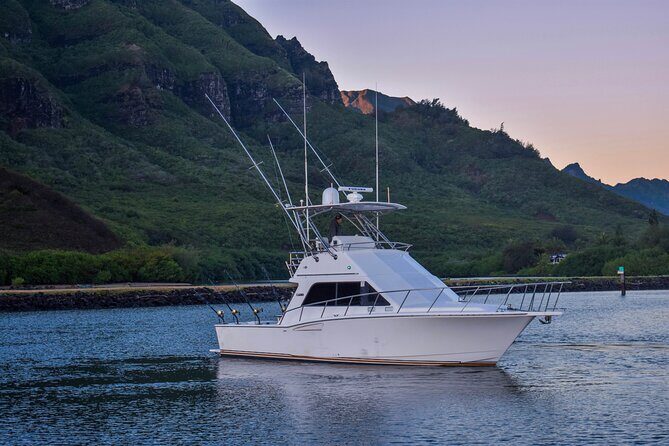
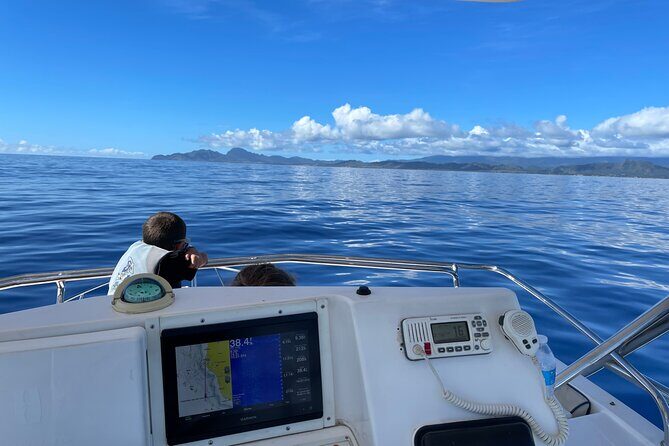
Kauai fishing works fast. This private charter has you leaving Nawiliwili harbor and starting fishing about 10 minutes later, with a full crew guiding the methods and safety. I like that you get the full tackle setup onboard, so you’re not shopping gear or guessing what to use. And I like the fact that you’re not just watching from the sidelines; you can join the “hunt” process for signs of fish before lines hit the water.
The main thing to consider is sea conditions. Kauai can get rough, and if you’re prone to motion sickness, plan ahead, because some trips run in less-than-calm water even when the crew tries to make it work.
In This Review
- Key things that make this charter worth your morning
- Nawiliwili harbor at 6:00 am: the real reason you’ll feel on a timer
- Private charter setup: gear, drinks, and the comfort of not bringing anything
- “Hunting” first: how the crew reads the ocean before you cast, troll, or jig
- Methods of fishing you’ll actually use (and what they mean for your experience)
- What you’re hoping to catch: tuna, ono, marlin, mahi mahi, and more
- The rough-water reality: the one factor that can turn amazing into miserable
- Rest of the day free: how to plan Kauai around a morning that runs long
- Value at around $1,500: what you’re really buying besides the fishing rods
- Should you book Imua Fishing Charters Kauai?
- FAQ
- Where is the meeting point and what time does the trip start?
- How long do we fish on the water?
- Do I need to bring fishing gear or tackle?
- Can I keep part of what I catch?
- Is this charter private?
- What if the ocean is rough and I get seasick?
Key things that make this charter worth your morning
- 10-minute start from Nawiliwili means you spend less time waiting and more time fishing
- All tackle provided so you show up, pay attention, and fish
- Multiple fishing methods like trolling, live bait, chunk bait, bottom fishing, and deep jigging
- Crew-led spot checks using seabirds, floating debris, and other signs to find action
- A true private outing with only your group onboard
- Keep part of what you catch so the trip can turn into dinner plans later
Nawiliwili harbor at 6:00 am: the real reason you’ll feel on a timer
This charter starts early, 6:00 am, back at Nawiliwili Small Boat Harbor in Lihue. That timing matters. Fishing is about location and timing, and early departures usually give you more options for where the crew can target. Once you’re aboard, the day feels organized right away: you’ll get oriented on how things run, what to hold, and how to use the gear safely.
Even better, the crew aims to fish quickly—about 10 minutes after leaving the dock. That’s a big deal because deep-sea fishing can otherwise feel like a long boat ride before anything happens. Here, you’re not just commuting to the fishing grounds. You’re actively fishing soon, which keeps the energy up for everyone, from first-timers to folks who have done this before.
A few more Kauai tours and experiences worth a look
Private charter setup: gear, drinks, and the comfort of not bringing anything
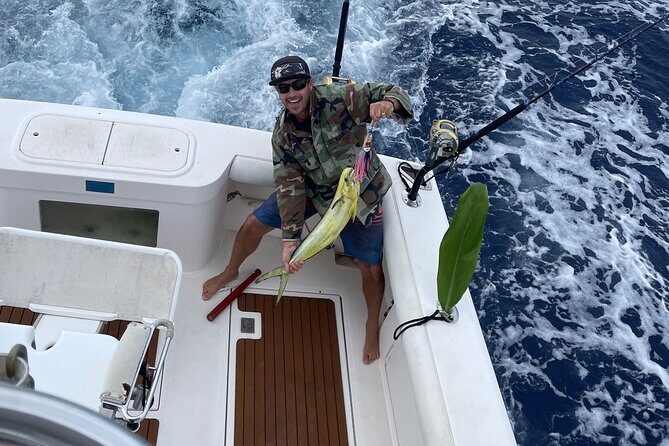
You don’t need to bring your own fishing tackle. The charter provides top-of-the-line equipment and the tackle setup used for the day’s methods. For you, that means one less shopping list and one less chance you bring the wrong rod/reel or the wrong line for the technique. You show up, the crew fits you into the workflow, and you get started.
On top of the gear, water and soft drinks are served during the trip. That sounds basic, but it’s one of those details that adds up when you’re out for around 6 hours. It also helps when conditions get bumpy and you start focusing on staying hydrated and steady instead of worrying about snacks.
What you should know: this is a private tour/activity, meaning only your group participates. That helps the crew tailor pacing—whether you want more time trying one technique or you’re okay with rapid changes as the captain chases the bite.
“Hunting” first: how the crew reads the ocean before you cast, troll, or jig
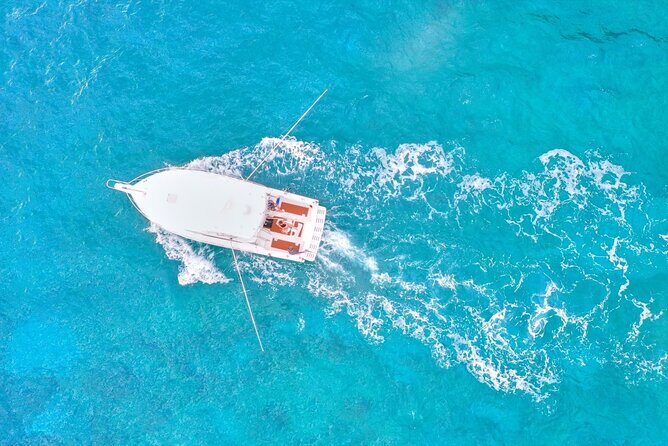
A good fishing day isn’t luck—it’s pattern recognition. This charter explicitly takes that approach. The crew looks for environmental signs that often line up with feeding fish. Seabirds diving and feeding can be a clue. Floating debris can point to where bait collects. Sometimes it’s just plain good timing, but the crew doesn’t leave you out of the process.
You’re invited into that hunt as well as the fishing. Practically, that means you’re not stuck waiting for the captain to say go. You’ll be briefed on what the crew is watching for and why. You’ll also get safety instruction and a clear run-through on how to handle the tackle in a moving boat.
One review vibe that matches this style: the crew’s energy feels like teamwork. People talked about guides such as Robert and Dylan working hard to put them on fish, and others like Randy and Mana taking careful care of anglers on the lines. That’s what you want to see—active guidance, not just gear handed to you and hoped for.
Methods of fishing you’ll actually use (and what they mean for your experience)
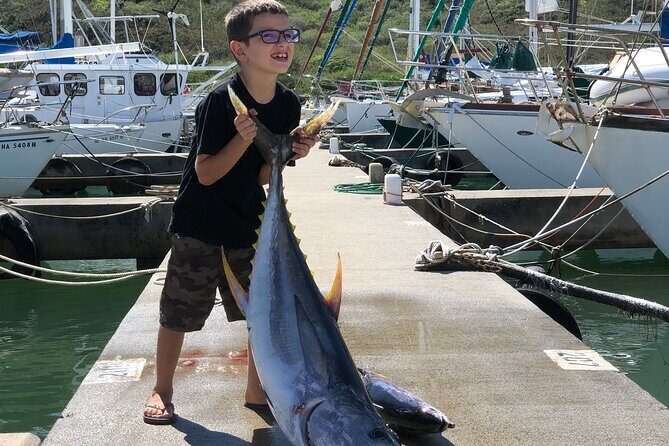
The charter doesn’t rely on one trick. They switch methods based on seasons, weather patterns, and tidal movement. That matters because fish don’t behave the same way all year, and Kauai’s ocean conditions can shift fast.
Here are the methods they say they use, and what you can expect from each in real life terms:
- Trolling: You fish while the boat is moving. This can be effective for covering ground. It also means you’ll be adjusting constantly—staying braced, watching for bites, and getting your timing right. One review noted that trolling keeps you moving, so if you get queasy easily, treat motion sickness seriously.
- Live bait: This usually means more targeted effort. A live bait setup often attracts fish that are actively feeding and can work well when conditions line up.
- Chunk bait: If the crew uses chunk bait, you can expect a more “feed the area” approach, typically aiming to get fish to commit.
- Bottom fishing: This focuses on areas where fish hold near structure or depth changes. Your job is mostly to manage your line and react fast when the bite comes.
- Deep jigging: This is the higher-effort technique. It can be exciting, because when it works, it works fast. It can also be physically demanding depending on how your day is set up.
The crew will pick the method they think will be most productive for your trip. For you, the payoff is simple: you’re more likely to get action than if the day were based on one plan that only works in ideal conditions.
What you’re hoping to catch: tuna, ono, marlin, mahi mahi, and more
A lot of deep-sea trips are sold on big-name fish. This charter targets a mix, and the catch list you’ll hear on past outings includes tuna and other island favorites. Based on the experiences shared, anglers have reported success with species like tuna and also fish commonly associated with Kauai charters such as ono, mahi mahi, and marlin. There are also mentions of wahoo (even when it wasn’t successfully boated), skipjack tuna, and barracuda.
You should also expect the day to feel like a variety show of techniques. One party reported going after tuna, ono, marlin, and mahi mahi during the same outing, with fish reacting to lines and lures set from the boat. Another group described landing a large tuna and also getting into marlin action. The pattern here is that when the crew finds the right spot, they’ll often keep moving through productive methods rather than giving up.
If you’re celebrating or planning a meal, that “keep part of what you catch” detail becomes real value. People shared that they brought fish home for poke and dinner, turning the trip into something beyond a memory photo. Just remember that what you keep depends on the catch rules you’re following onboard, and the day’s results.
The rough-water reality: the one factor that can turn amazing into miserable
Let’s talk about the downside that doesn’t show up in a brochure: ocean conditions.
Several accounts describe rough water and motion sickness. Some groups got sea sick even though they weren’t expecting it. One review stressed how intense it can get and encouraged bringing anti-nausea medicine. Another described a trip that started rough enough that everyone got sick and they had to ask to turn around early.
Here’s the practical takeaway for you:
- If you’re prone to motion sickness, assume you’ll need a plan. Don’t rely on hope.
- Even if you can tough it out, you might still feel awful long enough to ruin your enjoyment.
- If the captain signals conditions are near a safety or comfort threshold, take that seriously.
On the flip side, there are also positive stories where the crew managed through rough water and still got people onto fish. That includes families and groups that landed major fish despite wind and wave height. So the crew is doing its job. But the ocean is the boss.
My advice: ask yourself honestly how you handle boats when the water isn’t smooth. If you struggle with rides that bounce or roll, you’ll likely want to take prevention seriously before boarding.
Rest of the day free: how to plan Kauai around a morning that runs long
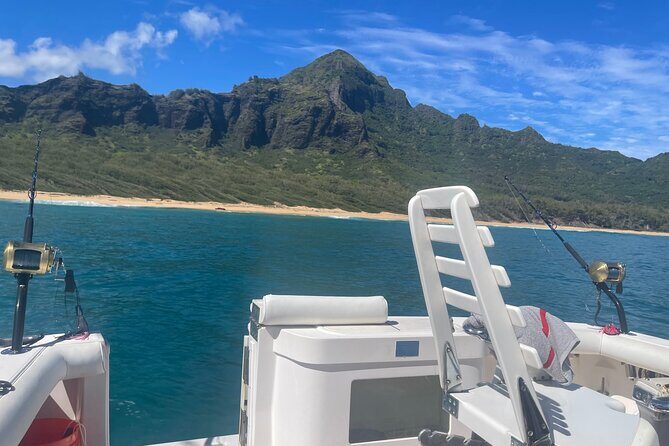
Fishing lasts about 6 hours. Then you’re back at the harbor and the rest of your day is free. That structure is underrated. Instead of squeezing your whole schedule into a full-day excursion, you get a built-in morning anchor and then flexibility afterward.
For you, that means you can pair this with an easy afternoon plan—something with breathing room—since you’ll come back tired, salty, and a bit sun-wrecked. If your catch makes it into a meal later, that also helps you plan dinner without turning your day into chaos.
Also note: some outings may produce whales sightings. One crew story included whales waving past during the ride, which gives the day a bonus layer even when the fishing has ups and downs.
Value at around $1,500: what you’re really buying besides the fishing rods
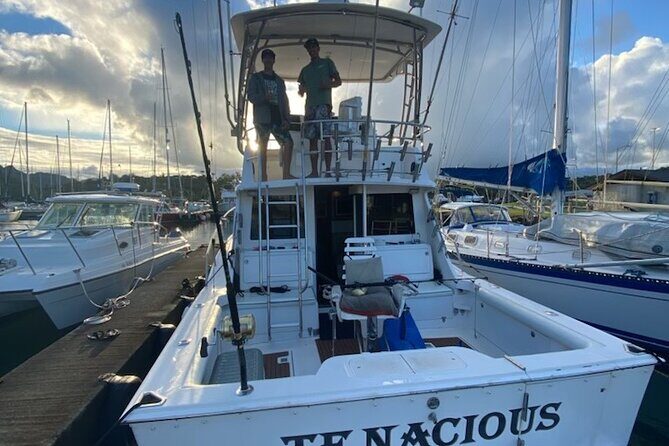
At $1,500 for a private charter, this is not a budget activity. So the question becomes: what do you get for that price?
You’re paying for:
- A dedicated captain and crew for your group
- Top-level fishing equipment and tackle provided
- Guided technique through multiple methods
- Time-efficient fishing (about 10 minutes to first drop)
- Onboard water and soft drinks
- The chance to keep part of your catch
If you split the cost among a group, it can start to look less painful, especially compared with doing multiple smaller shared charters where your experience may feel less tailored. It’s also a good value if you care about privacy and direct guidance, not just being on the water.
Where it might not be your best fit:
- If your group is small and you’re paying the full private rate, you’ll feel the cost more.
- If motion sickness risk is high for multiple people, the day can lose value quickly—even with an excellent crew.
A private charter makes sense when you want a focused experience and you trust the captain to put you on fish. It also makes sense when you want everyone to get hands-on, not just watch.
Should you book Imua Fishing Charters Kauai?
If you want a private, crew-led fishing morning that’s built for action—not long idle time—this is a strong choice. I’d book it if your group is comfortable with open-water conditions and you’re ready to participate in both the “hunt” and the fishing. The crew names popping up in real stories—Robert and Dylan, Randy and Mana, plus Chas/Ikena/Chaz—point to the same thing: people feel cared for and guided.
You should pause and think twice if:
- You (or multiple people in your group) are very sensitive to motion sickness.
- Your plan can’t handle a day that might be rough even with best efforts.
- You need guaranteed fish at the end of the trip.
If you’re the type who comes to Kauai for real time on the ocean and you’re okay with a bit of challenge, this charter can be a memorable morning with real odds of catching and bringing fish home.
FAQ
Where is the meeting point and what time does the trip start?
You meet at Nawiliwili Small Boat Harbor in Lihue, HI 96766. The start time is 6:00 am, and the activity ends back at the meeting point.
How long do we fish on the water?
Fishing runs for about 6 hours, after which the rest of your day is free.
Do I need to bring fishing gear or tackle?
No. Fishing tackle and equipment are provided onboard, along with water and soft drinks.
Can I keep part of what I catch?
Yes. You can keep a portion of the fish you catch.
Is this charter private?
Yes. It’s a private tour/activity, so only your group participates.
What if the ocean is rough and I get seasick?
This experience depends on good weather, but sea conditions can still be challenging. If you’re prone to motion sickness, plan ahead with anti-nausea medicine and take rough-water warnings seriously, since some people have felt sick even with prevention.